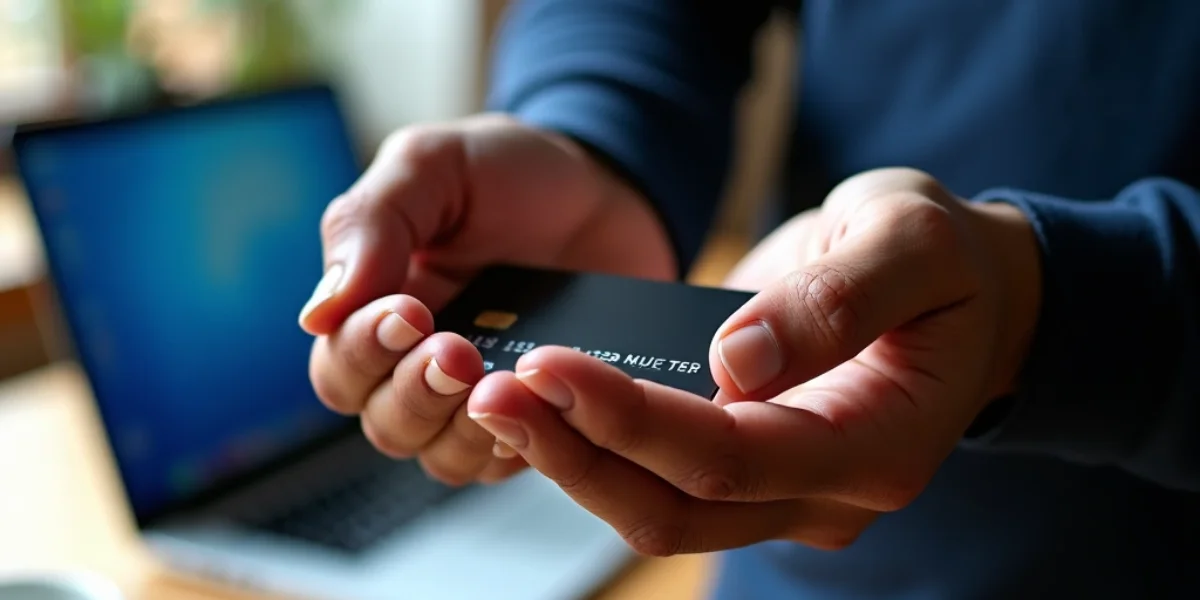
Credit card fraud increased by 16.5% in 2022, reaching a staggering $577 million in Australia. Card-not-present transactions now account for over 90% of all credit card fraud, driven by the surge in online shopping. Knowing how criminals commit credit card fraud is crucial for cardholders. Threats evolve from simple data theft to complex scams. Before diving into these methods, it’s important to review how credit card fraud happens and the risks involved. The following sections will provide both context and practical solutions.
Understanding Credit Card Fraud: What Is Fraud and How It Happens
What is Fraud with a Credit Card?
Credit card fraud refers to the unlawful use of credit card information to make purchases or withdraw funds. Thieves use data like numbers, expiry dates, and security codes to carry out criminal actions.
Credit card fraud falls into two broad categories. Card-present fraud occurs when criminals use stolen physical cards or fraudulent duplicates to make purchases in stores or face-to-face settings. Card-not-present fraud occurs when thieves obtain card information without possessing the card, typically using it for online purchases.
The major schemes are application fraud and account takeover. Application fraud is opening cards in another’s name and making unauthorised withdrawals. Account takeover means criminals hijack accounts by changing details and requesting replacement cards.
The Scale of Credit Card Frauds Today
Payment fraud across the European Economic Area reached €4.3 billion in 2022, with card fraud accounting for €633 million in the first half of 2023. Fraudulent card transactions totalled 7.31 million in volume during that same period. Remote card payment fraud represented 82% of total card fraud value in the first half of 2023.
Global credit and debit card fraud losses hit $34.32 billion in 2022. Credit card theft totaled $275 million in 2024, a 12% rise over the previous year. An estimated 61.3 million Americans experienced fraudulent charges on their cards in the past year, totalling roughly $6.1 billion in unauthorised purchases. Only 5% of these cases involved physically lost or stolen cards.
Credit card fraud remains the most reported form of identity theft. The Federal Trade Commission received 449,032 reports in 2024 from individuals whose information was misused with existing credit cards or when applying for new ones.
How Criminals Obtain your Card Details
Thieves employ multiple techniques to steal card information:
- Data breaches: Hackers penetrate company databases containing customer payment information, with an estimated 1.3 billion consumer records exposed in 2024 alone through major breaches
- Card skimming: Physical devices attached to legitimate card readers at ATMs or petrol pumps secretly capture card data when customers insert their cards
- Phishing schemes: Fake emails, text messages, or phone calls trick victims into revealing card details or downloading malware that records keystrokes
- Physical theft: Lost or stolen wallets provide immediate access to cards ready for use without additional steps.
- Mail interception: Criminals steal cards from unsecured letterboxes before account holders receive them.
- Shoulder surfing: Restaurant or retail employees copy card data when customers hand over cards for processing.
- Public Wi-Fi attacks: Hackers use man-in-the-middle techniques on unsecured wireless connections to intercept card information during transactions
- RFID scanning: Thieves with special devices can scrape contactless card information from close proximity
Card details stolen through these methods circulate on dark web marketplaces, where unverified cards are sold in bundles for $5-13 per 100 cards. Verified cards command premium prices, with criminals organising stolen data by Bank Identification Numbers to target specific banks or regions.
Common Types of Credit Card Frauds You Should Know
Card Skimming and Scanning Credit Card Details
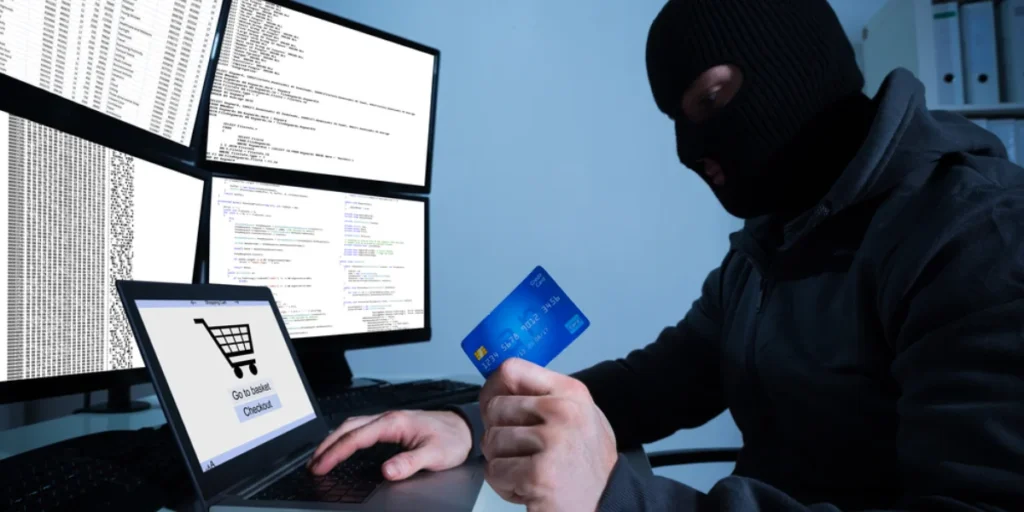
Skimming uses devices on ATMs or terminals to steal card and PIN details. These hidden scanners let criminals make fake cards and withdraw cash. Nearby cameras may record PINs, increasing the security risk.
Digital skimming represents the online evolution of this fraud. Criminals inject malicious code into e-commerce websites, stealing payment data from every customer who completes a purchase. Nearly three-quarters of publicly disclosed breaches in 2022 involved digital skimming, with 4,500 new sites infected that year alone. Restaurant and retail workers sometimes participate in skimming rings, using handheld devices to copy card information during normal transactions when customers hand over their cards.
Online and Card-Not-Present Fraud
Card-not-present fraud accounts for almost 90% of all card fraud in Australia. Thieves use stolen card numbers, expiration dates, and CVV codes to make purchases online or over the phone, making this type of fraud difficult to prevent because merchants cannot physically verify cards or buyers’ identities.
Lost or Stolen Card Fraud
Physical card theft remains straightforward. Criminals use stolen or lost cards to make purchases before victims can report them, and may also intercept cards delivered through postal services to addresses with weaker security.
ATM Fraud and PIN Theft
With card withholding, thieves jam ATM slots and monitor PIN entries—sometimes using fake notices to trick users into making repeated attempts. Afterwards, they retrieve the card and use it elsewhere.
Mail Interception Fraud
Card-never-arrived fraud happens when criminals intercept new or replacement cards before account holders receive them. Recorded cases reached 3,244, with losses increasing by 39% to £1.9 million. Fraudsters target flats with shared letterboxes and individuals who fail to redirect mail after moving house.
Step-by-Step: Protecting Your Card in Everyday Situations
Keep your PIN secure and memorable
Selecting a secure PIN requires avoiding obvious combinations. Consecutive numbers like 1234, repeating digits such as 9999, and personally identifiable information including birthdays, telephone numbers, postcodes, or street addresses make PINs vulnerable. Using your PIN for purchases is safer than signing, with only a 1-in-10,000 chance that someone can guess a properly chosen PIN.
Memorising the PIN eliminates risks associated with written records. Breaking the four-digit code into two separate numbers aids memory retention – for example, 4175 becomes forty-one and seventy-five. Combining numbers with personal significance, such as a favourite athlete’s shirt number and a childhood street address, creates memorable yet obscure combinations. Visualising the pattern numbers create on the keypad provides another effective memorisation technique.
Never share PINs with anyone, including family members or individuals claiming to represent financial institutions. Staff from legitimate banks will never request PIN disclosure. Select unique PINs for different cards rather than using identical codes across accounts.
Shield your Card at ATMs and Payment Terminals
Hidden cameras at ATMs secretly film keypad entries to capture PINs. Criminals fit these illegal cameras to appear as genuine ATM components, making detection difficult. Cover the keypad with a free hand, purse, or wallet whilst entering the PIN to block camera views.
Check surroundings before beginning transactions. Cancel and relocate if someone stands uncomfortably close or appears to be observing. Inspect ATM components for unusual devices or signs of tampering before inserting cards. Card readers that appear loose, crooked, or damaged, or that show scratches, glue, or adhesive tape, indicate potential skimming equipment.
Maintain Sight of your Card During Transactions
The primary risk when using cards in stores is that information from magnetic stripes is illegally copied. Never allow anyone to walk out of sight with a card to process transactions. Watch whilst cards are swiped through terminals to ensure legitimate processing.
Restaurant servers taking cards away from tables create opportunities for data theft. Similarly, be cautious of individuals with backup EFTPOS machines who attempt multiple magnetic stripe scans.
Secure your Physical Cards and Receipts
Sign cards immediately upon receipt in the space provided on signature strips. Memorise the Card Verification Value – the three or four digit code on card backs – rather than keeping written records. Destroy expired cards by cutting diagonally through chips.
Store cards securely in zipped purses or wallets kept close to the body. After transactions, collect cards, receipts, and cash immediately. Never leave cards exposed at bars or cafés.
Set up Account Notifications and Alerts
Transaction notifications alert cardholders to purchases in near real time, helping them identify unauthorised activity immediately. Balance notifications warn when spending approaches credit limits. Bill due notifications prevent late fees and potential interest rate increases. These alerts appear as banners on smartphone screens, customisable through card issuer applications.
Use Temporary Card Locks
Misplaced cards can be temporarily locked for 15 days whilst the search is underway. Locks prevent all transactions except recurring direct debits. Cards unlock instantly once located, avoiding the inconvenience of cancelling and updating payment details. If cards remain locked for 15 days without being reported lost or stolen, they automatically unlock.
Protecting Yourself from Online Credit Card Scams
Verify Website Security Before Purchasing
Criminals create fake websites that duplicate the designs of legitimate stores, copying logos, trademarks, and products to deceive shoppers. These fraudulent sites use deceptive domain names that closely resemble genuine addresses, such as www.tescos-sales.com instead of www.tesco.com.
Before entering payment details, check that the website URL begins with ‘https://’ rather than ‘http://’. The ‘s’ indicates encryption that protects transmitted information. A padlock icon should appear in the browser’s address bar, confirming a secure connection. Security certificates and Secure Socket Layers encrypt sensitive data passing between browsers and web servers.
Research unfamiliar retailers on consumer websites or trusted review sites before making purchases. Poorly designed websites, unbelievably low prices, missing contact information, and unclear return policies signal potential scams. The Better Business Bureau identifies trustworthy businesses and provides direct links to legitimate retail sites.
Recognise Phishing Emails and Fake Websites
Phishing messages contain links to fake shops with promotions designed to steal payment information. These scams appear in emails, text messages, and social media posts. Warning signs include urgent calls to action, spelling and grammatical errors, generic greetings like ‘Dear sir or madam’, and mismatched email domains.
Never click links from unsolicited messages. Instead, type official website addresses directly into the browser’s address bar or search for organisations independently. Forward suspicious emails to [email protected] and text messages to 7726 for investigation.
Use Secure Devices and Updated Antivirus Software
Antivirus software protects against malware that steals, deletes, or corrupts files, and allows unauthorised access to personal information. Modern antivirus screens URLs and web pages in real time, blocking malicious sites before they launch attacks. Keep operating systems, browsers, and antivirus software updated automatically to address new security threats.
Avoid shopping on public computers where criminals may have installed malware. Public Wi-Fi connections enable hackers to intercept transactions. Use password-protected networks or cellular data connections when entering payment information. If public Wi-Fi is necessary, connect through a virtual private network that creates encrypted tunnels between devices and servers.
Monitor your Statements for Unusual Activity
Review credit card statements at least monthly for unfamiliar transactions. Fraudsters often begin with small test charges before escalating to larger purchases. Subsequently, even minimal deposits like $0.02 or $1.53 warrant investigation. Contact card issuers immediately upon spotting suspicious activity to minimise potential losses.
Suspection of Credit Card Fraud
Contact your Bank
Ring the bank as soon as suspicious activity appears on the account. Most financial institutions provide priority numbers specifically for reporting unauthorised transactions and security breaches. The customer service number appears on the back of cards or on bank websites. Many banks allow fraud reporting through mobile applications or internet banking platforms.
Fraud specialists will confirm the report’s details and circumstances, thereafter blocking accounts to prevent criminal access. Banks may contact cardholders within seconds of detecting potential fraud activity through phone calls, automated voice-activated calls, or SMS messages.
Lock or Cancel your Compromised Card
Place a temporary lock on cards immediately to prevent further unauthorised transactions. Locking proves useful whilst investigating suspicious charges. For confirmed fraud, banks will block the card and issue a replacement. Cancelling cards prevents further losses, with account holders bearing no responsibility for transactions that occur after reporting the breach.
Report the Fraud to Authorities
Report identity crime to local police on 131 444. Submit scam reports through ScamWatch online forms or ReportCyber portals. For emergencies or crimes in progress, call Triple Zero (000).
Review and Dispute Unauthorised Transactions
Submit transaction disputes through banking apps or internet banking platforms. Investigations typically take 21 days to resolve, though complex cases may require up to 45 days. Banks send written confirmation of outcomes via letter or email.
Conclusion – Credit Card Fraud
Credit card fraud continues to evolve, but with the right precautions, cardholders can significantly reduce their risk. On the whole, protecting cards requires consistent vigilance across both physical and digital transactions. From shielding PINs at ATMs to verifying website security before online purchases, each protective measure creates an additional barrier against criminals.
The key to effective fraud prevention is implementing these strategies consistently rather than occasionally. Monitor account activity regularly, respond immediately to suspicious transactions, and keep card details secure at all times. If fraud occurs, swift reporting minimises financial impact.
Stay alert, take these precautions seriously, and your accounts remain protected. Sooner or later, these habits become second nature, keeping cards safe from unauthorised use.
How can I protect myself against credit card fraud?
Sign up for fraud alerts and transaction notifications with your card provider. These services monitor your account for suspicious activity such as foreign transactions, unusually large purchases, or unexpected spending patterns. You’ll receive immediate alerts about potentially fraudulent transactions, often before charges are finalised, allowing you to take swift action.
Is tapping my card safer than inserting it?
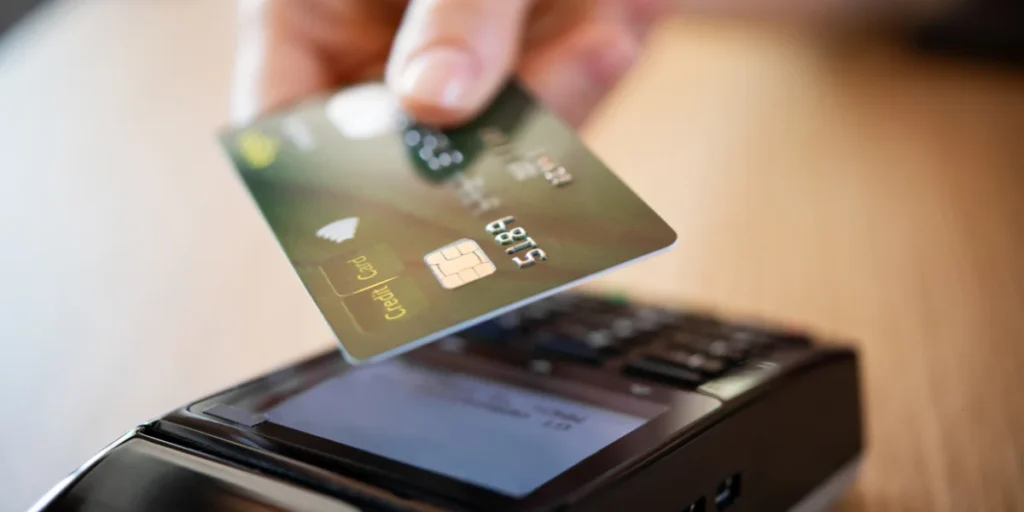
Yes, contactless tapping is generally safer than inserting your card. Tap-to-pay transactions use encrypted technology that creates unique codes for each transaction, making it incredibly impossible for fraudsters to steal your credit card information. In contrast, inserting cards into compromised readers can expose your magnetic stripe data to skimming devices.
What should I do immediately if I suspect fraudulent activity on my card?
Contact your bank or card issuer straight away using the priority fraud reporting number on the back of your card. Lock or cancel the compromised card to prevent further unauthorised transactions, and review your recent statements for any suspicious charges. Report the fraud to local police and submit the details through official scam-reporting platforms.
How do criminals typically obtain credit card information?
Criminals use various methods, including data breaches of company databases, card skimming devices at ATMs and petrol pumps, phishing emails and fake websites, physical theft of wallets, mail interception, and RFID scanning of contactless cards. They may also use malware on public Wi-Fi networks to intercept transaction data during online purchases.