








A bad credit score can significantly limit financial options, making it difficult to get credit and favourable loan terms. A score below 500 is considered below average, indicating to lenders that the applicant poses a greater risk. Most items on a credit report will remain for at least 2 years, with serious issues like defaults and bankruptcies staying for at least 5 years.
Credit ratings in Australia range from zero to 1000 or 1,200 points, depending on the credit reporting bureau. Understanding what a bad credit score is and how it affects one’s credit rating is essential for financial planning. This guide explains credit score ranges, the real-world impacts of poor credit, common causes, and proven strategies to improve a credit rating in 2026.
What Qualifies as a Bad Credit Score?
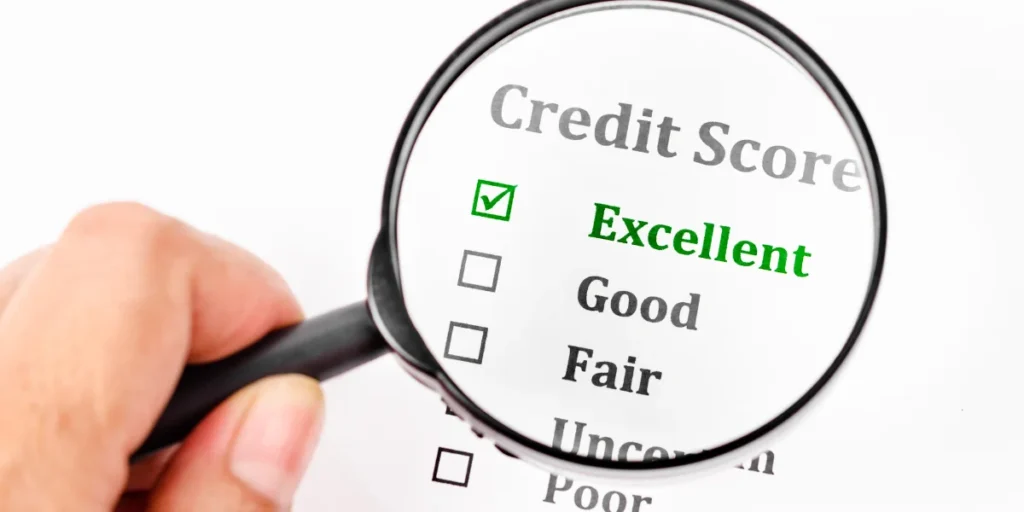
Credit scores in Australia operate on different scales depending on which credit reporting bureau assesses the information. Three major agencies calculate credit ratings, each with distinct methodologies and ranges that borrowers need to understand.
Credit Score Ranges from 0 to 1,200
Equifax uses a scale from 0 to 1,200 to represent credit scores. The classifications include: average (0 to 459), average (460 to 660), good (661 to 734), very good (735 to 852), and excellent (853 to 1,200). Experian operates on a different scale, ranging from 0 to 1,000, with categories of low (0-299), fair (300-499), good (500-699), very good (700-799), and excellent (800-1,000). Illion similarly uses a 0-to-1,000 scale but applies different thresholds for its classifications.
Below Average vs Poor Credit Rating
What is a bad credit score varies significantly across reporting agencies. Equifax considers a score of 459 or lower to be below average. Experian, in contrast, views a score below 549 as below average. Illion takes an even stricter approach, considering a score of 299 or lower to be low. In reality, a bad credit score is any credit score that prevents someone from obtaining the loan they need. Scores under 500 are considered below average across most systems, making it harder to obtain credit.
When You Have No Credit History
Not having a credit score differs fundamentally from having a bad credit score. No credit score means there is little or no credit history available to assess borrowing behaviour. This contrasts with a bad credit score, which is calculated from negative events on record. Having no credit score means there is insufficient data to generate a score, essentially starting fresh with lenders. In other words, no credit history may be viewed more favourably than a poor credit score in some cases, as it hasn’t demonstrated risky financial behaviour. Banks prefer to lend money to people who have proven themselves with prior loans, which makes it commendable yet challenging for those without a credit history.
A Bad Credit Score That Impacts Financial Future
Poor credit ratings create tangible barriers across multiple financial and lifestyle areas. Lenders view applicants with damaged credit histories as higher risk, resulting in restricted access and increased costs.
Loan Approval Challenges
Mainstream banks frequently reject applications from borrowers with poor credit ratings. When major lenders decline applications, borrowers must turn to specialist lenders who assess applications differently. Non-bank lenders examine serviceability more closely, focusing on income relative to expenses and existing debt obligations. These lenders also require stricter loan-to-value ratios, with most demanding a minimum of 80% LVR (20% deposit) for impaired credit applicants. For those seeking home loans, waiting 12 to 18 months after the last negative event, with a clean repayment history, improves chances of mainstream approval.
Higher Interest Rates and Fees
Borrowers with bad credit face substantially higher costs. Interest rates from specialist lenders typically sit 2% to 6% higher than mainstream products. Lenders charge higher rates to offset perceived risk, as borrowers with low credit scores are statistically more likely to miss payments and default. Different lenders impose varying upfront and ongoing monthly fees, including establishment fees, application fees, and risk or mortgage insurance fees.
Limited Choice of Lenders
A damaged credit history significantly restricts borrowing options. For home loans, non-conforming specialists such as Pepper Money, La Trobe Financial, Bluestone, and Resimac are the primary options. Personal and car loan applicants typically approach Wisr, Latitude, MoneyMe, and Plenti. Mainstream lenders remain largely inaccessible until credit repair is completed.
Employment and Rental Applications
Property managers routinely conduct credit checks on rental applicants through platforms like TICA or VEDA/Equifax. Landlords view poor credit similarly to a lack of credit history, making it harder to secure tenancies. First-time renters with bad credit often face rejection in competitive rental markets.
Insurance Premium Increases
Car insurance premiums generally remain unaffected by credit scores in Australia, as using credit as a risk factor is not industry standard. However, some insurers do consider credit scores when determining premiums, which can lead to higher costs for affected policyholders.
What Actually Causes a Bad Credit Score

Certain financial behaviours can damage your credit score. Understanding these causes helps borrowers avoid actions that create lasting credit problems.
Missed and Late Payments
Payment delays are among the most common causes of credit score deterioration. Even a late or missed payment can impact credit reports and credit scores. Late payments generally won’t appear on credit reports for at least 30 days after the payment is missed. If borrowers make full payment before that 30-day mark, lenders may not report it to credit bureaus. However, partial payments will generally be reported as late. Once recorded, late payments remain on credit reports for seven years. Repayment history information stays on credit reports for 24 months.
Credit Card Defaults and Utility Bill Defaults
Service providers may report unpaid debts as defaults to credit reporting agencies. A default occurs when the amount owed exceeds $229.35, 60 days have passed since the due date, and you have been contacted by the service provider. This covers utilities and phone costs. Defaults are recorded on credit records for five years, or seven years in clearout situations. Even after paying the amount, the default remains but is marked as paid.
Multiple Credit Applications in Short Periods
Each credit application initiates a hard inquiry into credit reports. Hard inquiries remain on credit reports for 2 years. Multiple credit applications within a short period of time might have a cumulative negative impact on credit ratings. According to Equifax, making multiple applications at once puts applicants at greater risk than borrowers who make occasional applications. Hard inquiries may indicate new debt that hasn’t yet appeared on credit reports.
Bankruptcies and Debt Agreements
Bankruptcy records remain on credit reports for five years. Debt agreements are listed on credit reports for five years or more. Both appear on the National Personal Insolvency Index, with bankruptcy listings permanent. These formal insolvency options create serious long-term consequences for credit ratings.
Proven Ways to Improve Your Credit Rating
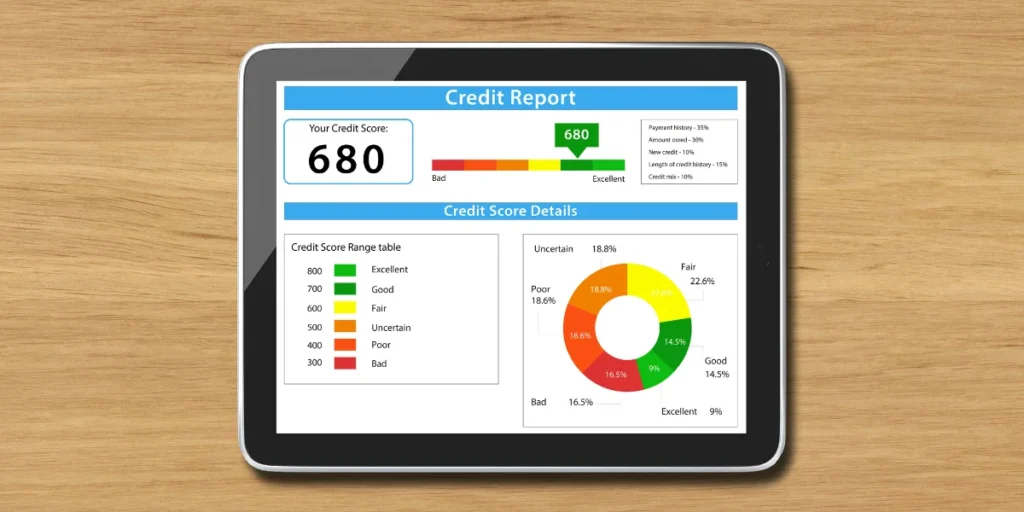
Rebuilding damaged credit requires consistent effort across multiple financial behaviours. Specific actions can gradually restore a credit rating over time.
Get Your Free Credit Report Every 3 Months
Credit reporting bodies must provide free access to consumer credit reports once every 3 months. Australians can request reports from Equifax and Experian. Checking personal credit reports has no impact on credit scores when viewed by credit providers. Reports arrive within 10 days of request.
Fix Errors and Inaccuracies in Your Report
Credit reporting agencies investigate inaccuracies for free. Disputes are typically resolved within 30 days. Contact the credit provider directly if they reported information incorrectly, as they must forward correction requests to credit bureaus within 5 days.
Pay All Bills on Time
Payment history makes up 35% of credit ratings. Setting up autopay for minimum payments helps avoid missed deadlines. Consistent on-time payments eventually improve credit ratings.
Reduce Credit Card Limits and Close Unused Accounts
Lowering credit card limits improves credit scores. However, closing cards reduces total available credit, potentially increasing utilisation ratios.
Build Credit History with Small, Manageable Loans
Properly managed personal loans help build credit. Payment history on small loans demonstrates responsible borrowing behaviour.
Financial Hardship Arrangements That Protect Your Score
Financial hardship arrangements do not affect credit scores. These arrangements appear on credit reports but are not included in score calculations. Hardship information is removed after 12 months.
Conclusion – Bad Credit Score
All things considered, understanding credit scores remains essential for financial wellbeing in 2026. Bad credit creates tangible barriers to loans, rentals, and favourable interest rates. The causes range from missed payments to bankruptcies, with each negative event remaining on reports for years. Fortunately, consistent action can rebuild damaged credit. Regular report checks, timely payments, and strategic credit management gradually restore ratings. Those willing to commit to proven strategies can overcome past financial setbacks and secure better opportunities.
What are the main factors that damage your credit score?
The primary factors that damage credit scores include missed or late payments (which remain on your report for seven years), defaults on credit cards or utility bills (staying for five years), multiple credit applications within short periods (recorded for two years), and serious issues like bankruptcies and debt agreements (listed for five years or more). Even a late payment can negatively impact your credit report and score.
How does a bad credit score affect loan applications?
A poor credit score significantly limits your borrowing options, with mainstream banks frequently rejecting applications. You’ll likely need to approach specialist lenders that require stricter conditions, such as an 80% loan-to-value ratio (minimum 20% deposit). Additionally, you’ll face substantially higher interest rates—typically 2% to 6% above standard rates—along with higher fees to offset the perceived risk of lending.
Can checking my own credit report damage my score?
No, checking your own credit report does not affect your credit score. You’re entitled to access your credit report for free once every three months from credit reporting bodies like Equifax and Experian. Only hard queries from lenders when applying for credit have an impact on your score, and they remain on your record for two years.
How long is required to improve a bad credit score?
Improving a bad credit score requires consistent effort over time. Payment history accounts for 35% of your credit score, so making all payments on time is crucial. Most negative items remain on your report for at least two years, with defaults lasting five years and bankruptcies staying for five years as well. However, with a clean repayment history for 12 to 18 months following your last negative event, you can significantly improve your chances of approval from mainstream lenders.