








Dual occupancy properties yield 5.5%, compared to 4% for single homes—a clear difference influencing investment strategies nationwide. These properties generate two rental streams from one parcel, making them more lucrative than traditional single-dwelling investments. Yet, dual occupancy is widely used and misunderstood in property discussions.
What does dual occupancy mean? This piece explores the architectural differences between dual-occupancy homes and single-income properties. This includes dual-key property configurations and dual occupancy dwelling designs. Investors will find detailed comparisons of financial performance and construction costs. The piece also covers practical implementation aspects, including council regulations and tenant management strategies for dual-occupancy housing.
Understanding Dual Occupancy Housing and Single-Income Properties
What Does Dual Occupancy Mean?
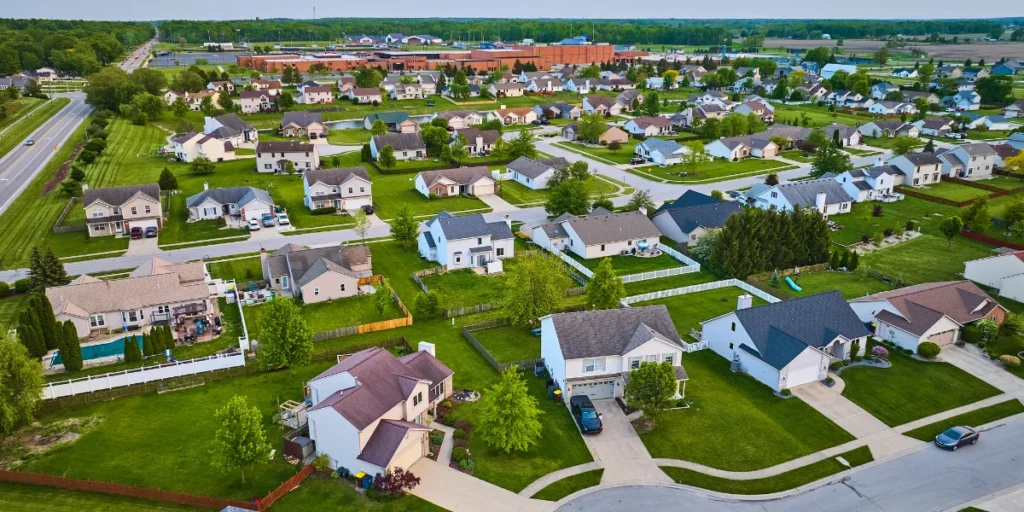
Dual-occupancy housing uses land previously intended or leased for a single dwelling to accommodate two homes. Dual-occupancy properties provide two distinct residences on one lot, both under the same land title unless subdivision approval is granted. This setup differs from secondary dwellings, or granny flats, which must connect to a main home and are subject to limitations on floor area. Each dwelling gets its own street address, letterbox, refuse bin, and utility connections. Most residential zones require planning approval.
Dual Occupancy Dwelling Configurations
Dual occupancy developments take several physical forms based on lot configuration:
- Attached dual occupancy: Two dwellings share a common partition wall in a semi-detached configuration and are positioned side-by-side facing the street with symmetrical layouts
- Detached side-by-side: Dwellings located next to each other, often on corner lots where one faces the primary road and the second faces the secondary road
- Detached front-to-back: One dwelling at the front faces the street, with the second dwelling toward the rear of the property and features a right-of-way for access to the rear dwelling
Attached configurations suit wider lots that allow side-by-side positioning, whilst detached front-to-back arrangements work best on narrow, deep lots.
What is a Dual Key Property?
A dual-key property is a single dwelling split into two self-contained units with a shared foyer and separate internal access. One side is often a full-sized unit, while the other is a smaller unit or studio. Dual-key homes share a common entrance, whereas dual-occupancy dwellings have separate entrances.
Single-Income Property Structure
Single-income properties feature one dwelling per lot, generate revenue from a single tenant, have unified utility connections, and share a single title.
Architectural Design Differences Between Property Types
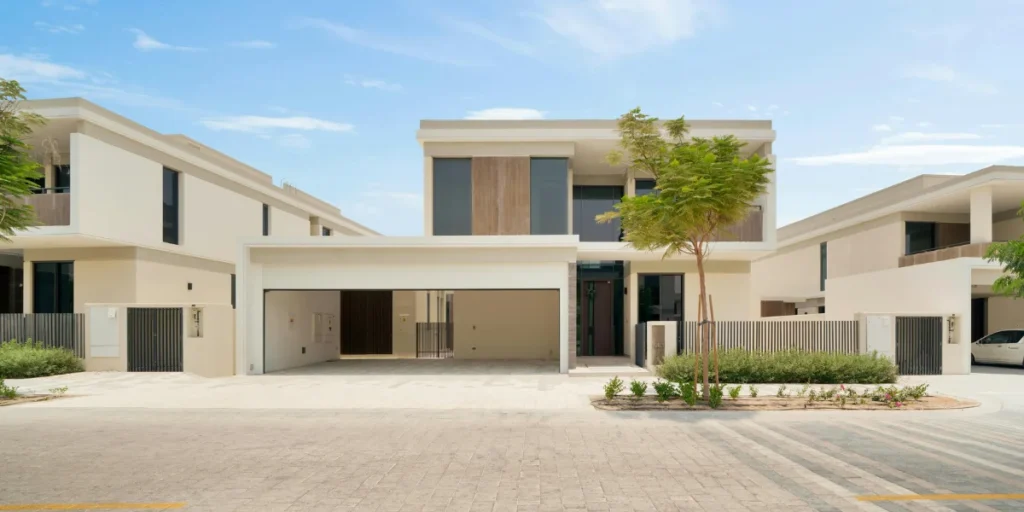
Dual occupancy design focuses on spatial efficiency, privacy, and independence. Dual-occupancy and dual-key properties cater to varying land types and investment goals.
Traditional Dual Occupancy Homes Layout
Side-by-side attached dual occupancies maintain a suburban pattern featuring front setbacks and large rear yards. Dwellings are arranged symmetrically in both layout and architectural form. Both dwellings face the street and share a common partition wall that enhances separation between the residences. Garages and vehicle access are positioned at the front of the lot.
Detached configurations adapt to specific lot characteristics. Front-to-back arrangements feature a right-of-way. This provides vehicle and pedestrian access to the rear dwelling located down one side of the lot boundary. This typology suits narrow, deep lots where separated driveway access can be accommodated.
Modern Dual Key Property Architecture
Dual-key designs feature two residences in a single main structure, typically a full house and a smaller unit. Each unit has its own bedrooms, bathrooms, kitchen, and living spaces. Internal courtyards and large windows add light and space.
Single-Dwelling Design Characteristics
Single dwellings require complete site analysis reports covering orientation, topography and existing features. Architectural plans detail floor layouts, elevations, sections and external materials to meet zoning requirements. Landscape plans demonstrate how outdoor areas are treated and how trees are preserved.
Land Utilisation and Space Planning
Dual occupancy maximises underused suburban land. Optimised land use significantly increases project returns. Passive solar principles incorporate north-facing courtyards and high-level windows to capture natural light deep within floor plans. Strategic bedroom placement and acoustic considerations reduce noise transfer. Shared walls position between less noise-sensitive areas.
Financial Performance Comparison

Financial returns are crucial for distinguishing successful property investments from underperforming assets. Dual-occupancy housing demonstrates stronger performance metrics across several categories.
Rental Yield Analysis: Dual vs Single Income
Dual-occupancy properties deliver rental yields of about 5.5%, compared to about 4% for single homes. Certain suburban markets achieve returns of 6-7%, far exceeding the 3-4% yields common in traditional property investments. Sydney’s median rental price reaches AUD 1,528.99 per week. Dual-occupancy configurations enable investors to capture two income streams from a single land parcel. Additional parking spaces generate separate revenue averaging AUD 1230.21.
Construction and Development Costs
Side-by-side dual-occupancy developments in Melbourne cost between AUD 1.77 million and AUD 2.08 million in total. Back-to-back configurations range from AUD 1.59 million to AUD 1.90 million. Corner block premiums add 10-15% to base costs. Hidden expenses include planning permits and council fees of AUD 22934.85 to AUD 38224.76. Professional services total AUD 53514.66 to AUD 76449.51. Site preparation costs range from AUD 30579.80 to AUD 61159.61. Demolition expenses reach AUD 30579.80 for existing structures.
Ongoing Maintenance and Management Expenses
Property management fees range from 8% to 12% of monthly rental income. Queensland averages 9%, New South Wales 5-8%, and Victoria 5-10%. Dual occupancy properties require management for two separate tenancies, which may increase coordination costs. Shared infrastructure elements, such as driveways and external areas, reduce overall maintenance obligations compared to separate properties.
Depreciation Benefits and Tax Implications
New dual occupancy builds generate depreciation claims of AUD 22934.85 to AUD 38224.76 per property each year. Building structures depreciate at 2.5% yearly for 40 years. Fixtures and fittings depreciate faster. Dual occupancy configurations feature two kitchens and additional bathrooms. This creates enhanced depreciation opportunities beyond single dwellings.
Property Valuation and Resale Potential
Dual occupancy properties in Southeast Queensland resell for 12-15% more than comparable single dwellings. Strata titling enables separate unit sales and may increase total value by AUD 611596.09 compared to single-title sales. Limited resale evidence exists due to the product’s recent market introduction.
Practical Implementation Considerations
Regulatory compliance plays a decisive role in the progress of dual-occupancy developments, with council requirements varying considerably across jurisdictions.
Council Regulations and Zoning Requirements
Recent zoning updates permit dual-occupancy housing in R2 Low-Density zones across 124 council areas, where restrictions previously applied. Minimum lot sizes differ by location. Western Australia just needs 450 m², whilst some councils specify 500 m². Development applications face code assessment or impact assessment, depending on zoning. Four councils remain exempt from 2025 reforms: Hawkesbury, Blue Mountains, Wollondilly and Bathurst.
Financing and Lending Criteria
Lenders restrict dual-occupancy loans to below 80% of the property value, or to 60% for low-documentation applications. Higher deposits and serviceability requirements apply due to limited resale demand. Specialty lenders offer more flexible terms, and some provide 95% lending for first-time buyers and investors. Construction loans accommodate two properties on one title, though three or more dwellings trigger commercial lending criteria.
Tenant Management and Vacancy Risk
Separate bonds must be lodged with the Bond Administrator for each tenancy. Property management fees range from 8% to 10% of rental income per dwelling. Dual income streams reduce vacancy risk through diversification.
Insurance and Legal Compliance
Landlord insurance is needed when dual-occupancy properties are rented to tenants. The Residential Tenancies Act 1987 applies to dual occupancy arrangements, regardless of the landlord’s occupancy status. Agents must disclose the dual-occupancy status and shared-area arrangements to prospective tenants.
Conclusion – Dual Occupancy
Dual-occupancy properties deliver superior returns, measured by diversified rental income streams and increased land utilisation. The 5.5% yield advantage over single dwellings makes these investments compelling, especially with tax depreciation benefits and stronger resale valuations. All the same, investors must navigate complex council regulations and meet higher financing requirements. They also need to handle dual tenancy management obligations. Successful dual occupancy development requires a solid grasp of zoning compliance and cost structures before you commit capital to these higher-performing assets.
Is dual occupancy housing a worthwhile investment strategy?
Dual-occupancy properties typically yield approximately 5.5%, compared to around 4% for traditional single dwellings. They provide two separate income streams from one land parcel, reducing vacancy risk through diversification. Additionally, these properties often achieve resale values 12-15% higher in certain markets and offer enhanced tax depreciation benefits from dual kitchens and bathrooms. However, they require higher initial capital, more complex management, and stricter lending criteria.
What are the main drawbacks of dual occupancy developments?
The primary disadvantages include higher upfront construction costs, with developments ranging from AUD 1.59 million to AUD 2.08 million depending on configuration. Investors face complex council regulations that vary by jurisdiction, with minimum lot sizes ranging from 450m² to 500m². Financing is proving more challenging, with lenders typically restricting loans to 80% of the property’s value. Additionally, managing two separate tenancies increases ongoing costs and administrative complexity.
How do council zoning requirements affect dual occupancy projects?
Recent reforms permit dual occupancy in R2 Low Density zones across 124 council areas, though four councils remain exempt. Minimum lot sizes vary by location, and developments require planning approval through either code assessment or impact assessment processes. Each dwelling receives a separate street address, letterbox, and utility connections. Investors must verify specific zoning requirements with their local council before proceeding.
What financing options are available for dual-occupancy properties?
Most lenders restrict dual-occupancy loans to below 80% of the property value, or 60% for low-documentation applications, requiring larger deposits than for single-dwelling loans. Specialty lenders offer more flexible terms, with some providing up to 95% lending for first-time buyers. Construction loans accommodate two properties on one title, though three or more dwellings trigger commercial lending criteria with stricter serviceability requirements.
How does dual key property design differ from traditional dual occupancy?
Dual key properties feature two self-contained residences within one main dwelling structure, sharing a common entrance foyer but with separate internal lockable doors. Traditional dual occupancy comprises two completely separate dwellings with independent entrances, either attached side-by-side or detached in front-to-back configurations. Dual-key designs typically include a full-sized house on one side and a smaller unit on the other, whilst dual-occupancy dwellings maintain more equal sizing and complete separation.