








The shift to a cashless society in Australia is accelerating, with cash accounting for just 16% of in-person transactions by 2022. Experts predict this figure will decrease further to around 2% of point-of-sale transactions by 2026. While digital payments are becoming more common and convenient, this transformation may introduce some challenges for older Australians. Notably, many seniors—75%—express concerns about online banking security, and find comfort in the familiarity of physical currency. However, understanding cash-free Australia and its move towards cashless options and being aware of potential risks can help those who prefer traditional payment methods feel more confident. This guide on a cashless society aims to provide clear information and practical support for seniors adapting to these changes.
Understanding Cashless Banking in Australia

Cash was the main way people paid for things in Australia less than 20 years ago, accounting for more than two-thirds of payments in 2007. Since then, things have changed a lot, and by 2026, cash will be used for only about 15% of payments. That’s a drop of more than 50 percentage points in almost 20 years.
The Speed of Change in Payment Methods
Australia moved away from cash faster during COVID-19. More people chose tap-and-go payments: 77% of in-person payments were made by tapping a card or device on a terminal in 2022, up from 56% in 2019. Using phones to pay jumped, with Australians making over four billion phone payments worth AUD 244.64 billion last year. The value of these payments grew 23 times since 2019, with a 28% increase in just one year.
Digital banking interactions now account for 99.3 per cent of customer-bank interactions. Bank branch interactions have fallen by 51 per cent since 2019 as customers migrate to digital platforms. Despite predictions of complete cashlessness, the 2025 Reserve Bank survey revealed an unexpected development: cash use increased slightly for the first time in decades, stabilising at around 15 per cent rather than continuing its downward trajectory.
Government Services Going Digital
The government’s digital strategy aims to deliver easy, secure public services by 2030. Digital ID systems give voluntary, secure online access to government services. Agencies use data and analytics to predict when services are needed. The Digital Service Standard sets requirements for high-quality, user-friendly digital government services.
What Cashless Society Actually Means
A cashless society eliminates the use of physical banknotes and coins in financial transactions. All payments are made via digital methods, including credit cards, debit cards, electronic transfers, and mobile payment services. Whereas Sweden exemplifies this trend with cash used in less than 15 per cent of transactions, Australia has not reached this threshold. The federal government introduced a cash mandate from January 2026, requiring grocery stores and petrol stations to accept cash for transactions under AUD 764.50 between 7am and 9pm. This policy ensures essential goods remain accessible through traditional payment methods.
Why This Matters More for Older Australians
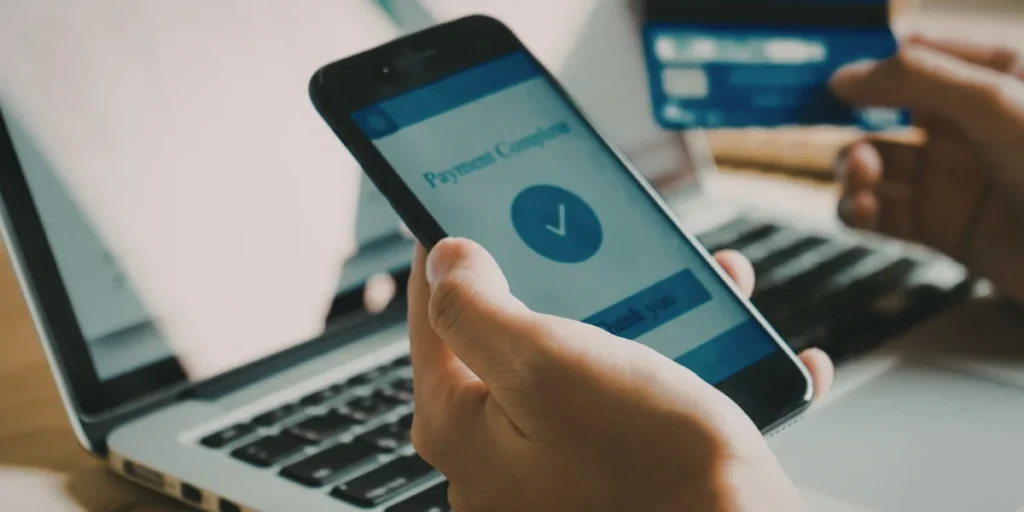
Older Australians may encounter unique situations as the nation transitions from physical currency. Cash remains more than just a payment tool—it provides autonomy, security, and a sense of financial comfort that many understand and value.
The Comfort and Familiarity Factor
Cash provides a simple and familiar way to manage spending, offering visibility and control that many seniors value. Physical money serves as a budgeting tool, helping track expenditure more easily and avoiding accidental overspending. For those raised during economic hardship, cash serves as a security blanket and helps maintain a sense of control over personal finances. This tangible form of payment brings reassurance, particularly as concerns around scams and digital security continue to grow.
Related Article: 8 Best Budgeting Apps That Help Australians Save More in 2025
Higher Cash Usage Among Over 65s
One in five people aged 65 and older relies on cash for more than 80% of transactions. 18% of those aged 65+ are high cash users, compared to 3% under 50. Seniors are five times more likely than those under 30 to use cash in person, especially in regional areas. About 10% aged 65+ used only cash in 2025.
Limited Access to Smartphones and the Internet
In 2018, 1.4 million older Australians (38.4%) did not use the internet. Internet use drops with age: 74.5% for ages 65-74, 48.5% for ages 75-84, and only 26.7% for those 85+. About 34% of Australians aged 50+ have low digital literacy or don’t use devices.
Vulnerability to Online Scams
Up to 35% of older Australians have been scammed online. In 2024, scams cost Australians aged 55+ over AUD 243.11 billion. Three-quarters of seniors worry about banking security and feel overwhelmed by technology.
The Real Dangers of a Cashless Society for Seniors
Beyond accessibility concerns, moving towards a cashless society introduces practical risks that may affect the financial security of older Australians. Recognising these challenges is the first step toward feeling prepared and confident when navigating daily life.
Loss of Financial Independence
Financial elder abuse costs the Australian economy AUD 16.82 billion annually, with digital banking transitions making such abuse easier to perpetrate. Bank tellers trained to recognise coerced signatures on loans struggle to spot these warning signs online. Tens of thousands of accounts lack active debit cards, many belonging to older Australians who relied on over-the-counter withdrawals with staff assistance. Victims of domestic violence depend on cash for discreet purchases, reducing the risk of monitoring through bank transactions.
Bank Account Freezes and Access Issues
System outages cost AUD 8.10 billion in Australia over 12 months, affecting 73 million hours of consumer time. Banks, including Commonwealth Bank, Westpac, NAB, ANZ, ING, and Bendigo Bank, experienced failures that left customers unable to access funds or locked out of their accounts. Subsequently, 71 per cent of consumers stated they would abandon a company after just one more outage.
Hidden Fees and Transaction Costs
Card payment fees range from 0.5% to 2-3%, often disclosed only after receipt. One Adelaide business owner pays AUD 38,224.76 yearly for cashless payment access. Banks collect fees from both customers and merchants.
System Failures During Emergencies
During the 2022 floods in Lismore, electronic payments crashed. Victims couldn’t buy essentials. Five credit unions sent a cash-filled ATM by helicopter. Data centre outages cost AUD 13,760.91 per minute.
Privacy and Surveillance Concerns
Payment records contain highly sensitive information about wealth, interests, and personal data, which is at risk of collection for price discrimination and advertising. Cash offers privacy that doesn’t exist in current digital payment systems, protecting freedom from data abuse.
Exclusion from Local Community Activities
Businesses can decide if they accept cash, but must inform customers. Card-only venues exclude those without smartphones or who avoid fees.
Practical Steps to Navigate Cash-Free Australia

Adapting to cashless banking in Australia can be approached gradually. Seniors may choose to build digital confidence while maintaining cash access, which remains protected by law. Remember, it’s okay to take small steps and seek support along the way.
Start with Simple Digital Payment Tools
Digital wallets like Apple Pay, Google Wallet, and Samsung Pay offer secure payments through smartphones and watches. While these use tokenisation for safety, seniors often prefer internet banking: 81% over 65 choose it, compared with 26% who use mobile banking apps. For many seniors, starting with internet banking on a computer is easier than using smartphone apps.
Where Cash Rights Are Protected by Law
From 1 January 2026, supermarkets and fuel retailers must accept cash for in-person transactions of AUD 764.50 or less between 7am and 9pm. Small businesses with a turnover under AUD 15.29 million are exempt from this mandate. Australians can pay utility bills, council rates, and phone bills in cash at Australia Post outlets through Post Billpay.
How to Stay Safe with Online Banking
Enable two-factor authentication. Never share passwords or one-time passcodes, even with financial institutions. Check email addresses for spelling errors before responding. Install updates promptly. Avoid public Wi-Fi for banking. If unsure, seek help—support is available.
Planning for Power Outages and Emergencies
Set up backup payment methods through digital wallet settings to avoid service interruptions. Keep emergency cash reserves at home for system failures. Queensland’s Home Energy Emergency Assistance Scheme provides up to AUD 1,100.87 once every two years for households experiencing financial crises.
Conclusion – Cashless Society
Australia’s transition towards cashless banking accelerates daily, yet seniors need not feel left behind. While digital payments dominate modern commerce, cash rights remain protected by law for essential purchases. The key lies in gradual adaptation rather than immediate transformation. Older Australians can explore digital tools at their own pace whilst maintaining access to physical currency where legally mandated. As a result, navigating this shift becomes manageable with the right knowledge and support systems in place.
Is Australia becoming a completely cashless society?
Australia isn’t fully cashless yet. Whilst cash usage has declined significantly to around 15% of transactions by 2025, it has stabilised rather than continued to decline. From January 2026, new laws require supermarkets and petrol stations to accept cash for purchases under $100 during standard hours, ensuring essential goods remain accessible through traditional payment methods.
Why do older Australians struggle more with the cashless society?
Many seniors face multiple challenges, including limited digital literacy, concerns about online security, and reduced access to smartphones and the internet. Around 18% of Australians aged 65 and over still rely heavily on cash for most transactions, and approximately 34% of those aged 50 and over have low digital literacy or don’t use digital devices regularly.
What are the main risks for seniors in a cash‑free Australia?
Key concerns include loss of financial independence, vulnerability to system outages during emergencies, hidden transaction fees, increased exposure to online scams, and potential exclusion from community activities. System failures can leave people unable to access funds when needed, as demonstrated during natural disasters when electronic payment systems crashed.
How can older Australians safely transition to digital banking?
Start with simple tools like internet banking on a computer before moving to mobile apps. Enable two-factor authentication, never share passwords, avoid public Wi-Fi for banking, and keep software up to date. Many banks offer telephone banking as an alternative, and family members can provide guidance whilst respecting independence.
Where must businesses still accept cash in Australia?
From 1 January 2026, supermarkets and fuel retailers must accept cash for in-person transactions up to $100 between 7am and 9pm. Small businesses with a turnover under $20 million are exempt. Additionally, Australians can pay utility bills, council rates, and phone bills in cash at Australia Post outlets via Post Billpay.