








The super transfer balance cap sets a lifetime ceiling on funds that can be transferred into retirement phase income streams, where investment earnings are tax-free. This cap emerged in 2017 at AUD 1.6 million and has since increased through periodic indexation tied to the Consumer Price Index. A transfer balance account tracks all movements into and out of the retirement phase through credit and debit events. Credits occur when starting a pension or converting a transition-to-retirement income stream, whilst debits occur through lump-sum withdrawals or commutations back to the accumulation phase.
The account remains active until death, capturing the complete history of retirement phase transfers across all super funds. Investment earnings within the pension phase do not count towards the cap, meaning funds can grow beyond the limit without triggering an excess. This distinction is vital, as only the transfer amounts themselves are scrutinised, not subsequent market performance.
The 2026 Indexation: Why the Limit Just Changed
The general transfer balance cap increases from AUD 3.06 million to AUD 3.21 million on 1 July 2026, representing an AUD 152,899.02 increment linked to the January 2026 CPI figures. Members starting their first retirement phase income stream after this date receive the full AUD 3.21 million cap. Those already receiving pensions may qualify for proportional indexation based on their unused cap space.
The proportional calculation uses the highest ever balance in the transfer balance account to determine unused capacity. A member who previously used 60% of their cap receives only 40% of the indexation increase. Conversely, someone who maxed out their cap before 1 July 2026 receives no indexation benefit. The defined benefit income cap also rises to AUD 200,679.97 for the 2026-27 income year.
Total Super Balance vs. Transfer Balance (The Common Mistake)
Total super balance measures the aggregate value of all superannuation interests at 30 June of the previous financial year. It encompasses accumulation accounts, retirement phase pensions, rollover benefits, and excess transfer balance earnings. This figure determines eligibility for non-concessional contributions, spouse tax offsets, and government co-contributions.
The transfer balance cap, identically, applies only to amounts moved into the retirement phase and is updated whenever credits or debits occur. The timing distinction matters: TSB uses a static annual snapshot, whilst the transfer balance account operates in near real-time. Many members confuse these metrics, mistakenly believing their total super balance limits pension commencements. The TSB threshold for 2026-27 mirrors the general transfer balance cap at AUD 3.21 million, but the concepts serve entirely separate regulatory purposes.
The Tax Trap: What Happens if You Exceed the Cap?

Breaching the super transfer balance cap triggers a two-part penalty: members must remove the excess through commutation and pay excess transfer balance tax on notional earnings. The tax applies to deemed earnings rather than actual fund performance, calculated using the General Interest Charge, which adds seven percentage points to the 90-day bank accepted bill rate. These notional earnings compound daily from the first day of excess until full commutation occurs.
Excess Transfer Balance Tax Explained
The tax rate is 15% for initial breaches and doubles to 30% for subsequent violations. Members cannot escape this liability, as the ATO holds no discretion to disregard excess amounts or adjust fund-reported information. Notional earnings continue accruing even after the ATO issues a determination, though these additional earnings need not be commuted.
For instance, a member who commenced a pension of AUD 3.52 million against a cap of AUD 3.06 million created an excess of AUD 458,697.07. After 30 days, with a GIC rate of 10.78%, notional earnings reached AUD 4,081.64, requiring total commutation of AUD 462,778.71. Acting swiftly minimises tax exposure, as voluntary commutation before an ATO determination reduces the overall penalty.
Members who delay face escalating consequences. The ATO issues a determination specifying the crystallised reduction amount, followed by a default commutation notice identifying which funds will receive commutation authorities. Electing alternative funds requires action within 60 days but extends the timeline and increases tax liability.
How the ATO Tracks Your Pension Commencement
Super funds report pension commencements through Transfer Balance Account Reports, with timing based on member balances. Voluntary commutations responding to excess determinations must be reported within 10 business days after the month-end, whilst responses to commutation authorities require reporting within 60 days. Delayed reporting risks double-counting when members roll over and restart income streams elsewhere.
Failure to comply with commutation authorities within 60 days strips the pension of retirement phase status retroactively from the start of that financial year, eliminating tax exemptions for all subsequent years. Members can monitor their transfer balance account in myGov, viewing credits, debits, the highest-ever balance, and remaining cap space in near real-time.
3 Strategies to Manage Your Super Profit

Managing exposure to the super transfer balance cap requires proactive planning rather than reactive scrambling. Three distinct approaches offer couples and high-balance members practical pathways to optimise access to the retirement phase whilst preserving tax advantages.
Spouse Splitting: Doubling Your Effective Cap
Contribution splitting allows members to transfer up to 85% of concessional contributions from the previous financial year to a spouse’s account. The 15% reduction reflects the contributions tax that has already been deducted. Splittable contributions include employer contributions, salary sacrifice arrangements, and personal deductible contributions, but exclude non-concessional amounts.
The receiving spouse must be under 65 years old, or between 60 and 65 and not retired, at the time the splitting application is lodged. Applications typically occur in July following the contribution year, though exceptions apply when rolling over entire balances or commencing pensions. The split counts towards the contributor’s concessional cap, not the receiver’s, treating the transfer as a rollover rather than a new contribution. This mechanism effectively doubles a couple’s combined access to tax-free retirement phase earnings when both approach the 2026 transfer balance cap.
The ‘Overflow’ Strategy: Using Family Trusts
Family trusts accommodate surplus wealth beyond superannuation balance cap limits without contribution restrictions. Setup costs are approximately AUD 3,057.98 plus GST, with ongoing expenses of approximately AUD 3,057.98 annually. Trustees distribute income to beneficiaries at their marginal tax rates, creating opportunities to allocate capital gains and investment earnings to lower-income family members.
Distributing to a bucket company caps tax at 30%, though individuals receive the 50% CGT discount unavailable to companies. Trusts hold investment properties, share portfolios, and business premises without preservation rules or age-based access restrictions.
Timing Your Pension: The Benefit of Delaying
Delaying pension commencement between the preservation age and 65 increases both account balances and annual pension amounts by reducing pension factors. A member with AUD 475,031.27 at 55 sees growth to AUD 695,690.56 by 65, whilst pension factors drop from 12 to 10, lifting annual payments from AUD 39,585.56 to AUD 69,569.06.
Reviewing the Best SMSF Software for Cap Tracking
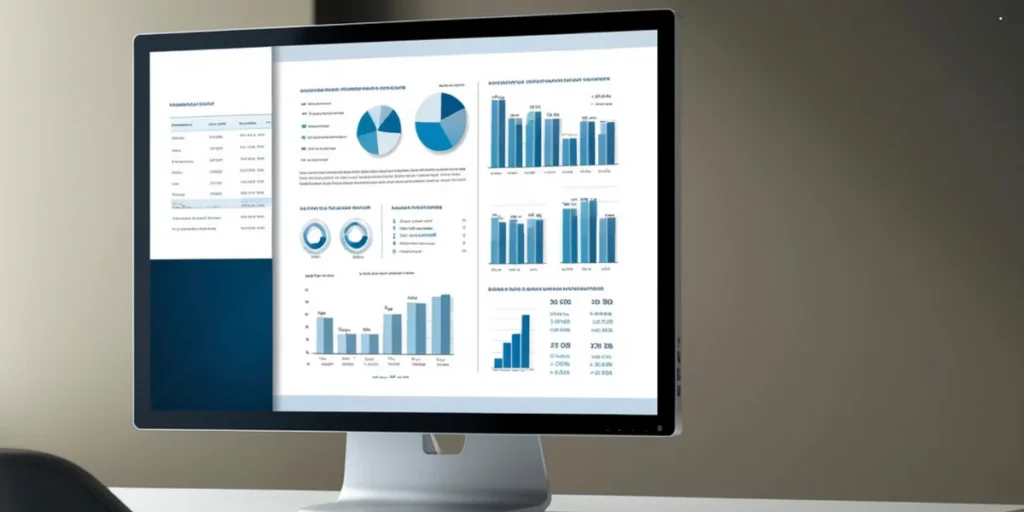
Specialised software has become non-negotiable for accurate monitoring of the transfer balance cap 2026, particularly as reporting shifts from annual to event-based compliance. The ATO calculates personal caps based on information reported by funds, so precision is essential to avoid penalties.
Why Manual Spreadsheets are Dangerous in 2026
Manual tracking through spreadsheets or 12-page forms for every member creates substantial error risk. Eight years after the transfer balance cap regime commenced, costly reporting mistakes persist uncorrected across the industry. Without purpose-built software, tracking total super balances and identifying reportable events becomes nearly impossible. A single breach triggers penalties, whilst severe violations can freeze fund assets or deem the SMSF non-compliant.
Top 2 Tools for Real-Time Balance Monitoring
Class Super operates as cloud-based software with over 200 direct data feeds, automating transaction entry and reducing manual errors. Real-time reporting provides consolidated portfolio views across multiple funds, enabling proactive compliance management.
BGL Simple Fund 360, correspondingly, connects with over 400 ecosystem partners, including banks and brokers. Artificial intelligence automates transaction processing and ensures compliance at the individual task level. Automated corporate actions processing and real-time dashboards help advisers detect breaches of the superannuation balance cap before determinations are issued.
Conclusion: Staying Under the Radar and Over the Profit Line
The 2026 indexation to AUD 3.21 million creates both opportunities and compliance obligations for members approaching retirement. Consequently, understanding the distinction between the total super balance and the transfer balance cap is essential to avoid costly penalties. Spouse splitting, family trusts, and strategic timing each offer pathways to maximise tax-free earnings whilst staying within regulatory boundaries. Purpose-built software eliminates manual tracking errors, safeguarding members from excess transfer balance tax and ensuring smooth transitions into retirement phase income streams.
You May Also Be Interested In: Effective Retirement Planning Tips and Tools for Success
What is the transfer balance cap for superannuation in 2026?
The general transfer balance cap increases to AUD 3.21 million on 1 July 2026, up from AUD 3.06 million. This cap sets the maximum amount you can transfer into retirement phase income streams, where investment earnings are tax-free. Members starting their first pension after this date receive the full AUD 3.21 million cap, whilst those already receiving pensions may qualify for proportional indexation based on their unused cap space.
What happens if my superannuation balance exceeds the transfer balance cap?
If you exceed the cap, you must remove the excess amount by transferring it back to an accumulation account or withdrawing it as a lump sum. You’ll also pay excess transfer balance tax at 15% for the first breaches (30% for subsequent violations) on notional earnings calculated from the date of excess. These notional earnings compound daily using the General Interest Charge rate until you fully commute the excess amount.
What’s the difference between the total super balance and the transfer balance cap?
Total super balance measures the aggregate value of all your superannuation interests at 30 June each year, including accumulation and pension accounts. The transfer balance cap applies only to amounts moved into the retirement phase and updates whenever you start or stop a pension. Your total super balance determines contribution eligibility, whilst the transfer balance cap governs how much you can receive tax-free earnings in the retirement phase.
Why is specialised software important for tracking the transfer balance cap?
Manual tracking through spreadsheets creates substantial error risk, particularly as reporting has shifted to event-based compliance. Purpose-built software automates transaction entry, provides real-time monitoring across multiple funds, and helps detect potential breaches before ATO determinations are issued. A single breach triggers penalties, whilst severe violations can freeze fund assets or deem your SMSF non-compliant.