






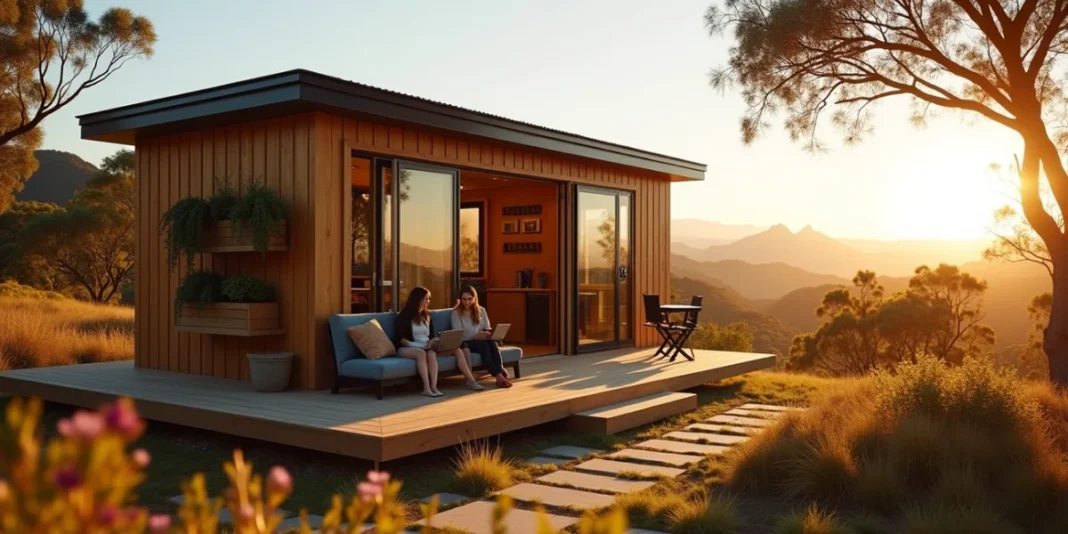

Tiny homes have experienced an explosive growth in Australia, with a whopping 120% increase in sales over the last five years. This remarkable surge occurs at a time when property prices in many Australian cities continue to rise, making traditional homeownership increasingly unaffordable for many residents. Companies such as Haven Tiny Houses now offer models starting from approximately 79,000 AUD, a mere fraction of what conventional houses cost in the Australian market.
Furthermore, the COVID-19 pandemic has accelerated interest in tiny homes throughout Australia, from Victoria to Brisbane and Perth to Adelaide. These compact dwellings offer an ideal solution for individuals seeking to live closer to nature while minimising their environmental impact. As a result, many Australians are embracing the tiny homes trend, viewing it as a pathway to greater financial freedom without the burden of substantial mortgage debt.
Tiny Homes Market Growth in Australia (2020–2025)
The Australian tiny homes industry has undergone remarkable expansion since 2020, evolving from a niche housing alternative to a mainstream market segment. This substantial growth reflects a shift in attitudes toward housing, sustainability, and lifestyle preferences nationwide.
Sales Growth in Tiny Homes Australia Since 2020
The tiny homes sector has experienced significant growth over the past five years. In 2021, there were merely 39 businesses associated with tiny homes in Australia; however, this number has now surged to over 300 builders alone. This extraordinary growth is also reflected in the number of financing inquiries. According to Jamie Mitchell, senior broker at Great Escape Finances and treasurer of the Australian Tiny Homes Association, financing inquiries have increased tenfold—from 5-15 leads monthly to approximately 60 leads per month.
The increased demand stems from multiple factors. Primarily, as housing affordability pressures intensify and rental options become increasingly scarce, more Australians view tiny homes as viable alternatives to conventional housing. Additionally, the appeal of energy-efficient, off-grid capable designs has attracted environmentally conscious buyers. Major banks have also begun supporting prefabricated, off-site construction with cleaner funding paths, particularly for permanently installed modular homes.
Regional Trends: Tiny Homes Victoria vs Tiny Homes Brisbane
Regional differences are becoming increasingly apparent within the Australian tiny homes market. Brisbane has particularly embraced the tiny home movement due to several local factors:
- Brisbane’s housing market has experienced significant price increases, making traditional homeownership challenging for many residents.
- The flexibility to establish tiny homes on land without development approval has become a significant attraction in Queensland.
- The diverse Brisbane landscape, with its national parks, rainforests, and coastal areas, provides an ideal setting for tiny home living.
In contrast, tiny homes in Victoria initially gained popularity with different demographics and for various purposes. The Australian market is now segmenting based on design and installation types. Tiny Homes on Wheels continue to offer flexible living arrangements, farm stays, and temporary accommodations. In contrast, fixed modular dwellings provide pathways to mortgage-style financing and compliance with National Construction Code standards.
Shift in Buyer Demographics: Millennials and Retirees
Perhaps the most significant change has been the evolution of the tiny home buyer profile. Initially, during the COVID-19 pandemic, tiny homes gained particular popularity among women over 55 years old. Throughout 2022, the market shifted as Airbnb investors recognised the potential for tiny homes as short-term rental properties. By 2023, families began to notice the benefits of tiny homes, leading to increased demand for larger models.
Currently, young working couples in their 20s and 30s account for approximately half of all tiny home purchases—a notable shift from historical buying patterns. This trend aligns with broader housing challenges facing younger Australians. Census data indicates that only 55% of Millennials (aged 25-39 in 2021) own homes, compared to 62% of Generation X and 66% of Baby Boomers at the same age.
According to Laura Crommelin, senior lecturer in city planning at the University of New South Wales, many people are attracted to tiny homes not just for affordability but also for the lifestyle they offer—allowing them to “live differently and think more about sustainability, their impact on the world”.
Key Drivers Behind the Tiny Homes Trend
Three major factors are fuelling the growing popularity of tiny homes across Australia—a severe affordability crisis, increasing environmental awareness, and shifts in work patterns. These elements combine to make tiny homes an increasingly attractive option for many Australians.
Affordability Crisis in Major Cities
The housing affordability challenge in Australia remains a pressing issue, particularly in metropolitan areas. Sydney and Melbourne are currently among the top 10 most expensive home markets in the world. With average home prices exceeding AUD 1.53 million, traditional homeownership remains out of reach for many Australians, forcing them to seek alternatives.
Twenty-nine-year-old Ashley Kime exemplifies this reality. Despite initially purchasing a home in Central Queensland with her sister, increasing mortgage repayments and skyrocketing living costs forced them to sell. She subsequently turned to a tiny home on wheels as a practical alternative, noting it “ticked all the right boxes, functionality and price-wise”.
The financial appeal is evident in the numbers. Whereas traditional Australian homes typically cost over AUD 1,070,293, tiny homes offer a significantly more accessible entry point. Models from companies like Tiny Mobile start at AUD 129,964, whilst others begin from AUD 84,094. This substantial difference enables Australians to achieve homeownership without the burden of decades-long mortgages.
Nevertheless, financing challenges persist. Banks typically do not offer mortgages for tiny homes, instead requiring personal loans with shorter terms (around seven years) and higher interest rates. Moreover, many tiny homes do not appreciate as much as traditional houses, potentially limiting their effectiveness as long-term financial investments.
Related Article: Property Valuation Made Simple: A Step-by-Step Guide for Beginners
Sustainability and Low-Carbon Living
Environmental consciousness serves as another powerful driver behind the tiny homes movement. The ecological benefits are substantial—tiny houses require half a truckload of building materials compared to the seven full trucks needed for conventional suburban homes.
This translates to meaningful environmental impact:
- Tiny homes use approximately 40% less energy per person than conventional houses
- Construction generates roughly 400 pounds of waste versus 2.5 tonnes for standard homes
- Annual carbon footprint per person ranges from just 130 to 370 kgCO2e
One Australian study concluded that tiny houses on wheels “may result in a 70% reduction in per capita greenhouse gas emissions over its life compared to a traditional Australian house”. This impressive reduction stems from their compact size, energy-efficient designs, and sustainability features.
Many Australian tiny homes now incorporate eco-friendly technologies, including:
- Rooftop solar panels for energy independence
- Rainwater collection systems with tanks and filters
- Composting toilets that use less water and produce less waste
These features naturally lead to lower resource consumption, reduced waste production, and a significantly smaller carbon footprint—factors that appeal to environmentally conscious buyers.
Remote Work and Lifestyle Flexibility
Lastly, the rise of remote work arrangements has fundamentally changed housing requirements for many Australians. As companies increasingly embrace work-from-home policies, geographical constraints have loosened, opening new possibilities for housing choices.
As a result, more Australians are realising that it’s not necessary to live close to the city in order to work; instead, they may buy a plot of land nearby and buy a small, reasonably priced house. . This trend accelerated notably following the COVID-19 pandemic, which prompted many to reconsider their living arrangements.
The flexibility offered by combining tiny home living with remote work creates powerful lifestyle benefits. Residents can establish themselves in previously inaccessible locations, set their own schedules, and dedicate more time to personal interests. For adventure enthusiasts, mobile tiny houses serve as both a home and a travel companion, enabling the exploration of Australia’s diverse landscapes while maintaining comfort and convenience.
This shift toward flexibility extends beyond just work arrangements. Tiny homes embody a minimalist approach that helps people “declutter their lives, simplify daily routines, and prioritise experiences over material possessions”. For many Australians, this represents not merely a housing choice, but a deliberate lifestyle decision favouring freedom and simplicity over traditional consumption patterns.
Design Innovations and Space Optimisation in 2025 Models
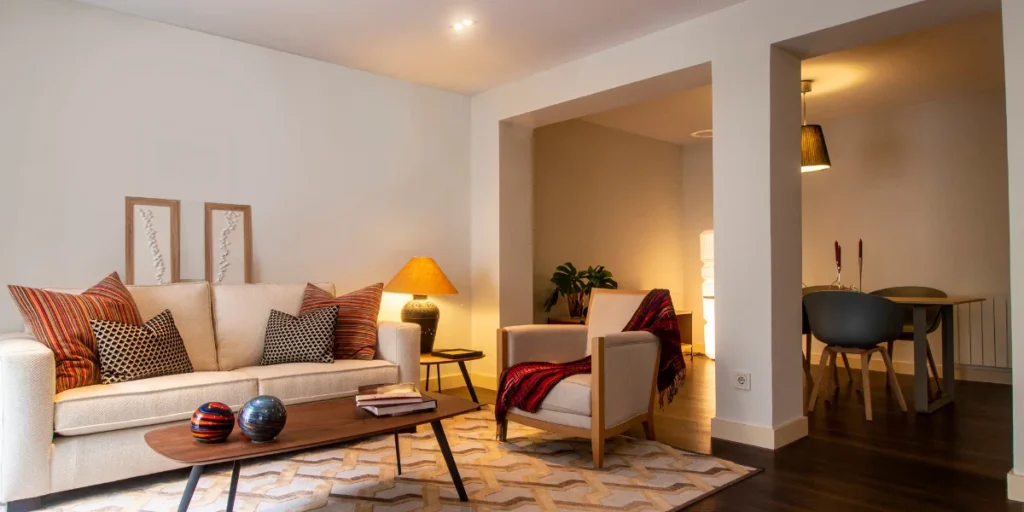
Modern tiny homes have evolved beyond simple downsized dwellings into sophisticated living spaces that maximise functionality through clever design innovations. The 2025 models showcase remarkable advances in space utilisation, technology integration, and sustainable living solutions.
Multi-functional Furniture and Lofted Layouts
Space optimisation stands as the cornerstone of tiny home design, with multi-functional furniture playing a pivotal role. Innovative pieces, such as sofa beds that transform into sleeping areas, expandable dining tables, and storage ottomans that serve as seating while concealing possessions, have become standard features. Rather than sacrificing comfort, these designs enhance the living experience by adapting to changing needs throughout the day.
Lofted layouts represent yet another significant design advancement. These elevated sleeping areas free up valuable floor space for daytime activities while creating distinct zones within the home. Many 2025 models feature impressive 4.3-metre heights that allow for surprisingly spacious lofts with standing room and built-in wardrobes. Custom joinery ‘storage stairs’ serve dual purposes—providing safe access to lofts whilst incorporating drawers and compartments that add substantially to the home’s storage capacity.
Smart Appliances and Energy Efficiency
The integration of technology has transformed the functionality of tiny homes. Smart home features—including automation systems for lighting, heating, and security—now come standard in many 2025 models. These systems enhance convenience without adding clutter to the limited space.
Energy efficiency remains a primary focus, with compact appliances, such as mini-fridges and washer-dryer combos, as well as energy-efficient lighting, helping to keep utility costs low. Energy Star-rated appliances, which are made to use less energy without sacrificing performance, are now included in many designs.
Off-grid Capabilities: Solar, Rainwater, Composting Toilets
Perhaps the most significant advancement in 2025 tiny home models is their comprehensive off-grid capability. Solar power systems have become increasingly sophisticated, offering options that range from roof-mounted panels to ground installations, tailored to individual needs. Companies like Aussie Tiny Houses offer tailored solar packages with lithium batteries that significantly reduce weight compared to older AGM systems.
Water independence has likewise progressed through integrated rainwater harvesting systems. These setups collect and store rainwater for various uses, including drinking, cooking, and bathing, after appropriate filtration and treatment.
Completing the self-sufficiency trifecta, modern composting toilets require little to no water, substantially reducing consumption while converting waste into garden-friendly compost. These units are designed to be low-maintenance and odour-free, making them practical choices for everyday living.
Together, these design innovations create tiny homes that are not merely smaller versions of traditional houses but carefully engineered living spaces that maximise comfort, functionality, and sustainability in minimal square footage.
Regulatory Landscape and Zoning Challenges
For tiny home enthusiasts in Australia, navigating the regulatory environment continues to be one of the biggest challenges due to the patchwork of requirements created by inconsistent rules and interpretations.
Tiny Homes Compliance in Queensland and Victoria
Queensland has emerged as one of the most progressive states regarding tiny homes regulations. Alternative housing styles are already approved for permanent residences by many councils (41%). For example, the Fraser Coast Council permits property owners to host friends or relatives in a caravan for a maximum of six months out of the year.
Victoria recently introduced substantial regulatory changes, making it easier to build small second homes in residential and rural areas. As of December 2023, secondary dwellings under 60m² no longer require planning permission, albeit building permits remain mandatory. These dwellings can be rented out or used by family members, creating flexibility previously unavailable.
Zoning Restrictions in Tiny Homes Perth and Adelaide
Western Australia has undergone significant regulatory changes, with the state government introducing a new statewide policy effective September 1, 2023. The Shire of Esperance became Australia’s first council to recognise tiny houses as permanent dwellings, followed by the Shire of Boddington. Occupancy periods for tiny homes on wheels have been extended from three months to two years, with renewal options available.
Conversely, South Australia maintains a more cautious approach. Councils typically require planning consent once a tiny home connects to wastewater systems, triggering additional approvals under the South Australian Public Health Regulations. Many prefabricated tiny homes struggle to meet local building standards, often requiring significant upgrades.
Progress in Local Council Approvals (2023–2025)
Throughout 2023-2025, progress has been uneven yet encouraging. Currently, over 10,000 Australians live in tiny homes across various local government areas. Many councils operate on a complaint-based enforcement system, essentially allowing tiny homes to exist “under the radar” unless neighbours object.
The regulatory landscape continues evolving as councils respond to housing pressures, with some removing minimum size requirements and eliminating additional application fees for small homes.
Investment Potential and Emerging Business Models
Beyond personal dwellings, tiny homes increasingly represent lucrative investment opportunities across Australia, offering substantial returns through various business models.
Tiny Homes as Airbnb and Holiday Rentals
The holiday rental market has enthusiastically embraced tiny homes, with numerous highly rated properties appearing on platforms like Airbnb. These unique accommodations command premium rates, generating weekly revenues between AUD 305.80 and AUD 764.50. This success stems from their distinctive appeal to eco-tourists and travellers seeking novel experiences. Many investors see tiny homes as ideal short-term rentals owing to their lower operational costs compared to traditional properties.
Owners listing their tiny homes on Airbnb generally require specialised insurance coverage beyond Airbnb’s complimentary AirCover (which provides up to AUD 1.53 million for liability). Additional protection through landlord residential insurance policies helps cover potential damage or theft by guests.
Return on Investment in Tiny Home Communities
Financially, tiny homes offer impressive returns. Investors typically recoup their initial investment within 2-3 years, considerably faster than the traditional 15-30 year timeline of real estate. Consider these scenarios:
- Short-term rentals at AUD 229.35 nightly with 75% occupancy generate approximately AUD 63,300.20 annually
- Long-term rentals at AUD 688.05 weekly produce roughly AUD 35,760.02 yearly
Creating tiny house communities represents yet another strategic investment approach. These developments foster communal living environments whilst enhancing economic viability through shared amenities.
Financing and Insurance Options in 2025
Securing financing remains challenging as tiny homes often fall outside standard mortgage models. Common options presently include personal loans, specialist tiny home finance providers, rent-to-own arrangements, or self-funding.
Insurance presents similar complexities. Until November 2023, Benjamin & Benjamin served as the primary insurer of tiny homes, but discontinued new policies thereafter. Currently, providers like Alliance, NRMA, RAC WA, and MHIA offer potential alternatives, although coverage adequacy varies significantly. The Australian Tiny House Association continues to work toward securing reliable insurance options.
Conclusion – Tiny Homes
The tiny homes movement has firmly established itself as a transformative force within the Australian housing landscape. Throughout 2020-2025, these compact dwellings have evolved from niche alternatives to mainstream housing solutions, addressing critical challenges facing many Australians today. Affordability stands as the primary catalyst for this remarkable growth. Traditional homeownership remains unattainable for numerous Australians, especially in metropolitan areas where housing costs continue to soar. Tiny homes, therefore, represent not merely downsized living but rather a pathway to financial independence without crippling mortgage debt.
Sustainability concerns have undoubtedly accelerated market adoption. These eco-friendly dwellings typically consume 40% less energy per person than conventional houses while generating significantly less construction waste. Their reduced environmental footprint aligns perfectly with growing ecological awareness among Australian homebuyers. Remote work flexibility has likewise reshaped housing preferences. Many Australians now enjoy freedom from geographical constraints, allowing them to embrace regional living without sacrificing career opportunities. Consequently, tiny homes offer an ideal balance between professional requirements and desired lifestyle.
The Australian tiny homes revolution reflects more profound societal shifts regarding housing expectations, environmental responsibility, and lifestyle priorities. As traditional homeownership becomes increasingly unattainable for younger generations, tiny homes offer a compelling alternative that strikes a balance between affordability, sustainability, and quality of life. This housing movement will certainly continue reshaping Australian residential patterns well beyond 2025.
Are tiny homes still a popular housing option in Australia in 2025?
Yes, tiny homes have gained significant popularity in Australia by 2025. They offer an affordable and sustainable housing alternative, especially appealing to millennials and retirees seeking financial freedom and a simpler lifestyle.
What are the main advantages of choosing a tiny home in Australia?
The primary benefits of tiny homes include affordability compared to traditional housing, environmental sustainability with lower energy consumption, and lifestyle flexibility that aligns well with remote work trends.
How will tiny home designs have evolved by 2025?
Modern tiny homes in 2025 feature innovative space optimisation with multi-functional furniture, smart appliances, and off-grid capabilities such as solar power systems, rainwater harvesting, and composting toilets.
What are the regulatory challenges for tiny homes in Australia?
Regulatory landscapes vary across states, with Queensland and Victoria being more progressive than others. Challenges include zoning restrictions, building code compliance, and inconsistent local council approvals, though progress is being made.
Can tiny homes be a good investment opportunity in Australia?
Yes, tiny homes can be lucrative investments, particularly as short-term rentals or holiday accommodations. They offer faster returns on investment compared to traditional real estate, with some investors recouping costs within 2-3 years.