








Did you know that 2 out of 5 small businesses have suffered a reportable cyber incident? Cyber insurance has become increasingly vital as digital threats continue to evolve and target organisations of all sizes. Despite common misconceptions, smaller enterprises are not immune to cybercrime, with 90% of security breaches occurring through human error, such as employees accidentally opening malware-laden attachments.
In the digital age, protection against data breaches, hacking, social engineering and employee errors has never been more critical. Australian small and medium-sized enterprises clearly recognise this threat, with recent data showing a 50% rise in cyber insurance policy uptake over the past year and an 85% increase over the last three years. Cyber insurance policies typically cover three core areas: liability (including privacy lawsuits and regulatory defence), internal financial loss (such as extortion, notification expenses and business interruption), and emergency incident response costs.
This comprehensive guide explores what cyber insurance is, why it matters for your business, and how to select the right coverage to protect against increasingly sophisticated cyber threats.
What is Cyber Insurance and Why It Matters

In today’s digital landscape, businesses face an unprecedented number of cyber threats. Cyber attacks cost Australian businesses over AUD 50.46 billion in the past year alone, making protective measures essential for organisations of all sizes.
Cyber Insurance in a Business Context
A specific insurance product called cyber insurance was created to shield companies from monetary damages and legal obligations brought on by cyber events. It functions similarly to how businesses purchase insurance against physical risks and natural disasters, covering losses an enterprise may suffer due to cyberattacks. This financial buffer enables companies to address the immediate fallout of incidents and rebuild trust with their customers.
The cybersecurity insurance process works much like other forms of insurance, with policies sold by many providers that offer other business coverage types. Moreover, it’s essential to note that cyber insurance complements, rather than replaces, robust cybersecurity practices.
Cyber Insurance vs Cyber Liability Insurance
The coverage referred to as “cyber insurance,” “cyber liability insurance,” and “cyber security insurance” is the same. However, understanding the distinction between first-party and third-party coverage is crucial:
- First-party coverage pays for expenses incurred directly by the organisation due to a security breach, including incident response costs, system damage repair, and business interruption.
- Third-party coverage handles damages or settlements that the organisation must pay due to claims resulting from its actions or failure to act, including legal fees and regulatory fines.
Cyber Threats Covered Under Policies
While policies vary between providers, most cyber insurance covers a range of threats:
- Ransomware attacks – According to research, the average ransom demand to policyholders in early 2021 reached AUD 1.83 million.
- Data breaches – These incidents involve theft or unauthorised access to personal information.
- Social engineering and funds transfer fraud – These attacks increased by 28% in 2021 from previous years.
- Business interruption – Coverage for operational downtime and lost revenue.
- Cyber extortion – Protection against ransom demands from cybercriminals.
Additionally, comprehensive policies often include forensic investigations, legal support, customer notifications, and public relations costs to manage reputational damage.
Core Components of a Cyber Insurance Policy
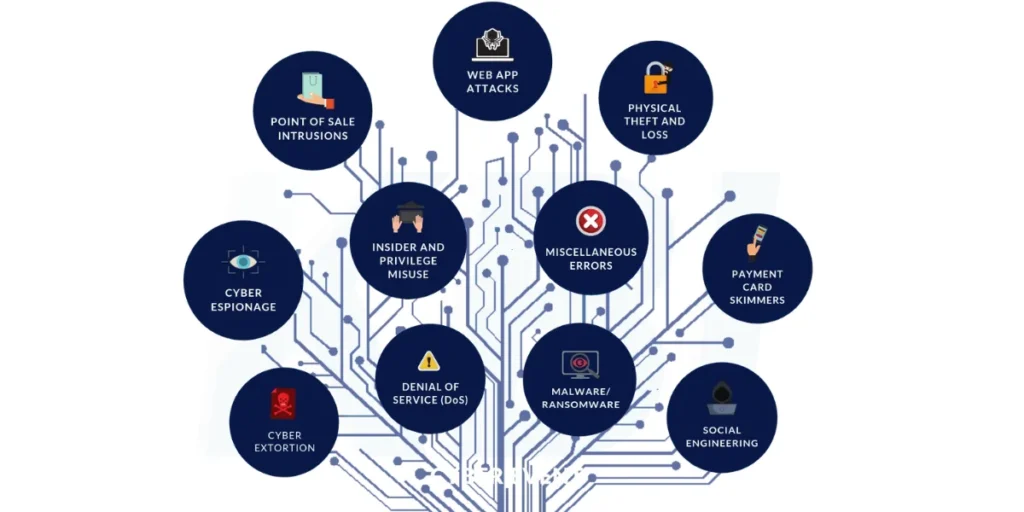
Modern cyber insurance policies encompass several key protections that work together to safeguard businesses across the entire lifecycle of a cyber incident. Understanding these core components helps organisations select the appropriate coverage for their specific risk profile.
Privacy Breach Notification and Crisis Management
When a data breach occurs, cyber insurance provides immediate access to incident response services, including forensic investigations, legal advice, and crisis management. These policies cover notification expenses for informing individuals who may have been affected by potential data exposure. Furthermore, coverage typically includes public relations expenses to manage reputational fallout, as well as credit monitoring services for customers who are affected.
Cyber Extortion and Ransomware Response
The growing problem of ransomware, which encrypts data and demands payment to unlock it, is addressed by coverage of cyber extortion. Policies typically cover ransom payments (where legally permissible), specialist negotiation costs, and professional services designed to prevent future extortion attempts. In 2021, the average initial ransom demand reached AUD 2.75 million, though expert negotiators were often able to reduce demands by up to 75%.
Business Interruption and Operational Downtime
Following a cyber attack, businesses frequently experience operational disruptions. Insurance coverage compensates for lost income during system downtime, typically after a waiting period of 12 hours. This component proves particularly valuable, as system failures can halt operations entirely, as evidenced by the case of one business that lost nearly AUD 1 million in revenue following a ransomware attack.
Data Recovery and System Restoration
This coverage addresses the costs of repairing, restoring, and recovering IT systems and data after an attack. Consequently, policies may cover replacement, restoration, or recreation of digital assets damaged by security failures. Unlike basic backup recovery, comprehensive policies specifically include data recreation from scratch when backups are compromised.
Regulatory Defence and Fines Coverage
Cyber policies generally protect regulatory investigations, defence costs, and resulting fines (where legally insurable). This component has gained significance in Australia following the imposition of the first civil penalty under the Privacy Act—AUD 8.87 million plus legal costs. Penalties can potentially reach up to AUD 76.45 million, equivalent to 30% of the company’s annual turnover.
Media Liability and Reputational Harm
Media liability coverage protects against claims arising from online content, including defamation, copyright infringement, or privacy violations resulting from a cyber incident. Specifically, reputational harm coverage reimburses lost net profits resulting from adverse publicity related to a security failure. This protection is essential for organisations maintaining confidential relationships with clients, as research indicates businesses can face immediate client losses after breach notifications.
Optional Add-ons and Extended Coverage
Beyond standard cyber policy protections, businesses increasingly need specialised coverage extensions to address emerging digital threats. These optional add-ons fill crucial gaps in basic cyber insurance policies, addressing specific risk scenarios that organisations commonly face.
Social Engineering and Funds Transfer Fraud
As reported in 2021, social engineering attacks cost businesses an average of AUD 22.63 million annually. These attacks involve criminals impersonating vendors, executives, or clients to manipulate employees into transferring funds to fraudulent accounts. Social engineering fraud coverage typically provides:
- Protection against vendor/supplier impersonation
- Coverage for executive and client impersonation scenarios
- Full carve-back to voluntary parting exclusions
Most insurers offer coverage up to AUD 382,247.56 per occurrence, with no annual aggregate; however, higher limits may require an additional underwriting assessment. Essentially, this coverage reimburses organisations for good-faith transfers resulting from fraudulent instructions.
Contingent Business Interruption from Third-Party Vendors
According to the 2025 Verizon Data Breach Investigations Report, 30% of breaches now involve third parties—double the previous year’s figure. Contingent business interruption coverage addresses income loss resulting from cyber failures experienced by technology vendors or service providers.
This protection compensates for:
- Lost revenue during vendor outages
- Extra expenses incurred following third-party breaches
- Costs from discontinued operations
Waiting periods for this coverage typically range from 6 to 12 hours before compensation begins. Nonetheless, some policies require businesses to schedule specific vendors rather than providing blanket protection.
Payment Card Data Security Liability
Payment card data security coverage specifically addresses liabilities stemming from payment card industry (PCI) compliance failures. This specialised protection helps businesses manage costs related to investigations, fines, and assessments following payment card data breaches.
Cyber Insurance Coverage Limits and Sub-Limits
Coverage limits typically range between AUD 382,247.56 and AUD 7,644,951.16, depending on business size and risk profile. Sub-limits—especially for ransomware and social engineering—often restrict compensation for specific types of losses.
First-party versus third-party considerations remain crucial; first-party coverage protects against direct losses to your organisation, whereas third-party coverage addresses liability claims from others affected by your security breach.
Choosing the Right Cyber Insurance Policy

Selecting appropriate cyber liability coverage requires careful consideration of numerous variables. Let’s examine the key aspects to evaluate when choosing a policy that fits your business needs.
Factors Affecting Cyber Insurance Cost
Five primary factors determine cyber insurance premiums: industry sector (healthcare and finance typically pay more), company size, geographical presence, annual revenue, and existing security measures. Insurers now require minimum cybersecurity standards, with multi-factor authentication becoming increasingly mandatory before coverage approval. Your claims history also significantly influences premium calculations.
Cyber Insurance in Australia
Presently in Australia, only about 20% of SMEs and 35-70% of larger businesses have standalone cyber insurance. Unlike some countries, cyber coverage isn’t mandatory in Australia, though the government recommends it as part of an overall risk management strategy. The evolving nature of cyber risks and incomplete data sets make premium pricing particularly challenging in the Australian market.
Comparing Cyber Insurance Policies
First, assess whether you need first-party coverage (for direct losses) or third-party coverage (for liability claims). Evaluate incident response services, data breach coverage, and business interruption protection. Review policy exclusions thoroughly, as they vary significantly between providers.
Broker vs Direct Application
Direct applications often result in lower premiums as you avoid broker commissions. Conversely, brokers provide valuable expertise in navigating policy complexities. They compare policies across multiple insurers, negotiate competitive terms, and advocate throughout the claims process. For businesses unfamiliar with insurance terminology, guidance from a broker can help prevent the purchase of unnecessary coverage.
Conclusion – Cyber Insurance
Cyber insurance stands as a critical safeguard for businesses operating in today’s increasingly hostile digital environment. Throughout this guide, we have explored how these specialised policies protect organisations against financial losses and legal liabilities resulting from cyber incidents. Small and medium enterprises face particular vulnerability, with 90% of security breaches occurring through human error and two out of five small businesses experiencing reportable cyber incidents.
The core components of comprehensive cyber insurance address the entire lifecycle of potential cyber attacks. First-party coverage protects against direct costs such as incident response, system restoration, and business interruption. Meanwhile, third-party coverage handles legal defences, regulatory fines, and customer claims resulting from breaches. Additionally, the market offers specialised add-ons for emerging threats, such as social engineering fraud and contingent business interruption, from third-party vendors.
Businesses must remember that cyber insurance complements rather than replaces robust cybersecurity practices. The best defence combines technological safeguards, employee training, and financial protection through insurance. Therefore, organisations should regularly review their cyber risk profiles and insurance needs as both threats and coverage options continue to evolve. After all, the question for contemporary firms is not whether a cyberattack will happen, but rather when it will—and whether or not they have sufficiently planned for the fallout.
You May Aslo Be Interested In: 8 Essential Types of Insurance That Protect Your Future
What is cyber insurance, and why is it important for businesses?
Cyber insurance is a specialised insurance product that protects businesses against financial losses and legal liabilities resulting from cyber incidents. It’s important because it provides a financial buffer to address the immediate fallout of cyber attacks and helps rebuild trust with customers.
What are the core components of a cyber insurance policy?
The core components typically include privacy breach notification and crisis management, cyber extortion and ransomware response, business interruption coverage, data recovery and system restoration, regulatory defence and fines coverage, and media liability and reputational harm protection.
How much does cyber insurance cost, and what factors affect the price?
Cyber insurance costs vary widely, with coverage limits typically ranging from AUD 382,247.56 to AUD 7,644,951.16. Factors affecting the price include industry sector, company size, geographical presence, annual revenue, existing security measures, and claims history.