








Your credit score is a three-digit figure that indicates your ability to make timely payments and can significantly impact your financial potential. Essentially, this number serves as a rating given to your credit history, reflecting how you’ve handled debt and credit over time.
Credit scores in Australia typically range from 0 to 1200, depending on which credit reporting agency calculates it. Lenders consider you less risky the better your credit score. This can translate into better offers and significant savings on loans and credit products. Additionally, different agencies may score in different ways, although they all aim to measure the same thing: your creditworthiness as a borrower. Fortunately, Australians can access their credit score and credit report for free, making it easier to understand their financial standing before applying for credit.
Related Article: How to Master Debt Recycling: A Simple Guide for Property Owners (2025)
What is a Credit Score, and How is it Calculated?
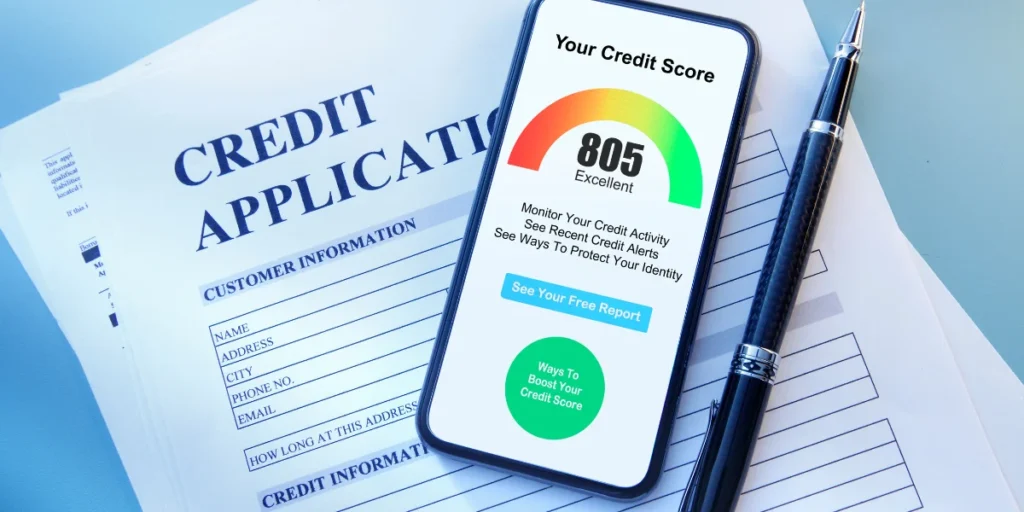
A credit score is a number that represents your creditworthiness in which lenders use to evaluate loan applications. This single number summarises the information in your credit report, indicating how likely you are to repay money borrowed from credit providers.
Credit Score Ranges in Australia (0–1200)
Credit scores in Australia typically range from zero to either 1,000 or 1,200, depending on which credit reporting body is used for calculation. The three central credit reporting bodies in Australia—Equifax, Experian, and Illion—each use different scoring scales:
- Equifax: Scores from 0 to 1,200, with ranges categorised as below average (0-459), average (460-660), good (661-734), very good (735-852), and excellent (853-1,200)
- Experian: Scores from 0 to 1,000, with ranges categorised as below average (0-549), fair (550-624), good (625-699), very good (700-799), and excellent (800-1,000)
- Illion: Scores from 0 to 1,000, with ranges categorised as zero (0), low (1-299), room for improvement (300-499), good (500-699), great (700-799), and excellent (800-1,000)
Factors Used in Credit Score Calculation
- Payment history – If you pay bills and loans on time
- Current and past debt – repayment patterns
- Credit applications – how many applications have you made recently
- Credit accounts – How many and what kinds of credit cards and loans you have
- Negative information – bankruptcies, court judgements, etc
Furthermore, your credit utilisation ratio, the length of your credit history, and even demographic information such as your age and location may affect your score.
Agencies and Different Scores
It’s completely normal to have different credit scores from each reporting body. This variation occurs primarily because:
- Each bureau uses different scoring scales and algorithms
- Not all credit providers report to all three agencies
- Information may be updated at different times—one provider might update daily, while another updates monthly
- Each agency may have different reporting styles and data collection methods
Consequently, what qualifies as a “good” score varies between agencies, and lenders typically use only one bureau’s score (most commonly Equifax) when assessing applications.
Checking your Credit Score in Australia
Accessing your credit score in Australia is straightforward and completely free of charge. Various online services now make it possible to monitor this important financial metric without any cost.
Free Credit Score Check Providers
Australians can access their credit score through multiple channels. The three primary credit reporting bodies in Australia—Equifax, Experian, and illion—all offer free access to credit reports. Moreover, several banks and financial institutions provide this service, notably the Commonwealth Bank, which allows customers to check their credit score directly through their app. Various online credit score providers also offer free services; however, it’s advisable to avoid any provider that requests payment or credit card details.
How Often Can you Check your Score?
Under Australian law, individuals have the right to obtain a free copy of their credit report every three months from each credit reporting body. This means you could potentially check your score up to 12 times annually by rotating between the three leading agencies. For those who have been refused credit within the past 90 days or had credit-related personal information corrected, additional free reports may be available. Nonetheless, even if you’ve exceeded your free checks, any fees charged must not be excessive.
Affects of Checking your Score
A common misconception exists about credit score checks. However, checking your own credit score does not negatively impact it. This is classified as a “soft credit check” and, although recorded on your file, remains invisible to credit providers and does not affect your credit score. Primarily, only “hard credit checks”—those made when applying for loans or credit cards—can potentially lower your score. Regularly monitoring your credit score is considered good practice, as it helps identify potential errors, suspicious activity, or fraudulent applications early.
Regular monitoring offers various benefits, particularly before applying for significant loans or credit products, as it allows you to identify areas for improvement beforehand.
What Impacts Credit Score the Most?

Several key factors dramatically influence your credit score in Australia. Understanding these key points can help you maintain a healthy credit profile and improve your borrowing prospects.
Late Payments and Missed Bills
Your credit score can be severely impacted by late or missing payments. If you make a payment more than 14 days late, it will be recorded as a late payment in your repayment history information and remain on your credit report for two years. Just one missed credit card payment can drop your score by 22%, whilst missing three or more repayments within three months could decrease it by 42%. For payments over AUD 229.35 that remain unpaid beyond 60 days, creditors may list this as a default.
Multiple Credit Applications in a Short Time
Submitting numerous credit applications within a brief period signals potential financial distress to lenders. Each application generates a “hard enquiry” on your credit report, remaining visible for five years. Unlike mortgage or car loan applications (which can be grouped if made within two weeks), credit card applications are each considered separately. They can have a bigger impact if you apply for several cards simultaneously.
Defaults, Bankruptcies and Court Judgements
Defaults stay on your credit report for five years, even after you’ve paid the debt. Bankruptcies remain for either five years from declaration or two years after discharge (whichever is later). Court judgements persist on your credit file for five years from the date of the judgement. These serious negative marks substantially lower your score and make it difficult to secure future credit.
Credit Utilisation Ratio Explained
An essential factor in determining your score is your credit utilisation ratio, or how much of your available credit you use. Ideally, keep this ratio below 30%, as exceeding this threshold can harm your credit score. Those with exceptional credit scores (800-850) typically maintain utilisation ratios around 7.1%. This ratio is determined by dividing your entire credit card balance by your credit limit.
Improve and Maintain a Healthy Credit Score

Building a strong credit score requires consistent positive financial habits and proactive management of your credit profile. Improving your score is entirely possible, regardless of past financial difficulties.
Paying Bills and Loans on Time
Consistently paying bills by their due dates forms the foundation of a healthy credit score. Repeatedly missing payments can severely damage your score and may lead to debt collection referrals. For credit cards and loans, paying at least the minimum amount demonstrates financial control. Aim to pay the full balance whenever possible, as this shows responsible money management and helps reduce monthly interest charges.
Limiting Unnecessary Credit Applications
Each new credit application temporarily lowers your score, whilst multiple applications within a short period can be perceived as a financial risk. Credit reporting agencies may flag multiple enquiries as a detractor on your profile. Prior to applying, thoroughly research credit products to ensure they match your circumstances. Please note that applications remain visible on your report for a period of five years.
Correcting Errors in your Credit Report
Inaccuracies in your credit report can unfairly impact your score. Common errors include outdated personal details, incorrect debt amounts, or accounts created through identity theft. You have the right to have these errors fixed at no cost. Contact the relevant credit provider first, as this is typically the most efficient approach. Corrections must be processed within 30 days.
Automate Bills
Automated payments are perhaps the simplest way to maintain a healthy credit score. Setting up direct debits ensures bills are paid automatically, eliminating the risk of forgotten payments. Regular, timely payments, even for just six months, will begin to improve your score. Indeed, direct debits facilitate consistent payments that demonstrate your reliability as a borrower. Nevertheless, ensure sufficient funds are available, as bounced direct debits may harm your score.
Conclusion – Credit Score
Your credit score serves as a vital financial indicator that can unlock better loan terms and substantial savings throughout your life. Understanding the nuances of this three-digit number equips you with the knowledge to navigate Australia’s financial landscape more effectively.
Throughout this article, we have examined how credit scores function as numerical representations of creditworthiness, typically ranging from 300 to 850 or 900, depending on the reporting agency. Additionally, we examined how Equifax, Experian, and Illion each utilise distinct algorithms and scoring ranges to assess your financial reliability.
Regularly checking your credit score remains essential for maintaining financial health. Fortunately, Australian law allows free access to credit reports every three months from each reporting body, and these personal checks never negatively impact your score.
Remember that building excellent credit takes time and discipline. However, the financial opportunities and peace of mind that come with a strong credit score make the effort worthwhile. After all, your credit score serves as more than just a number—it represents your financial reputation and opens doors to better financial possibilities.
Why is a good credit score important in Australia?
A good credit score is crucial in Australia as it represents your creditworthiness to lenders. It can impact your ability to acquire loans, credit cards, and even rental properties. A higher score may lead to better interest rates and loan terms, potentially saving you money in the long run.
What factors have the highest impact on my credit score?
Credit score is most affected by your payment history (whether you pay your bills on time), the amount of debt you now have, the number of recent credit applications, and any negative information, such as defaults or bankruptcies. Your credit utilisation ratio, in comparison to your credit limit, is also crucial.
Why might my credit score differ between reporting agencies?
Your credit score may change between reporting agencies since each employs a different scoring model and algorithm. They may also have access to different information, as not all creditors report to all agencies. Additionally, the information might be updated at different times across agencies. Despite these differences, all agencies aim to reflect your overall creditworthiness.