






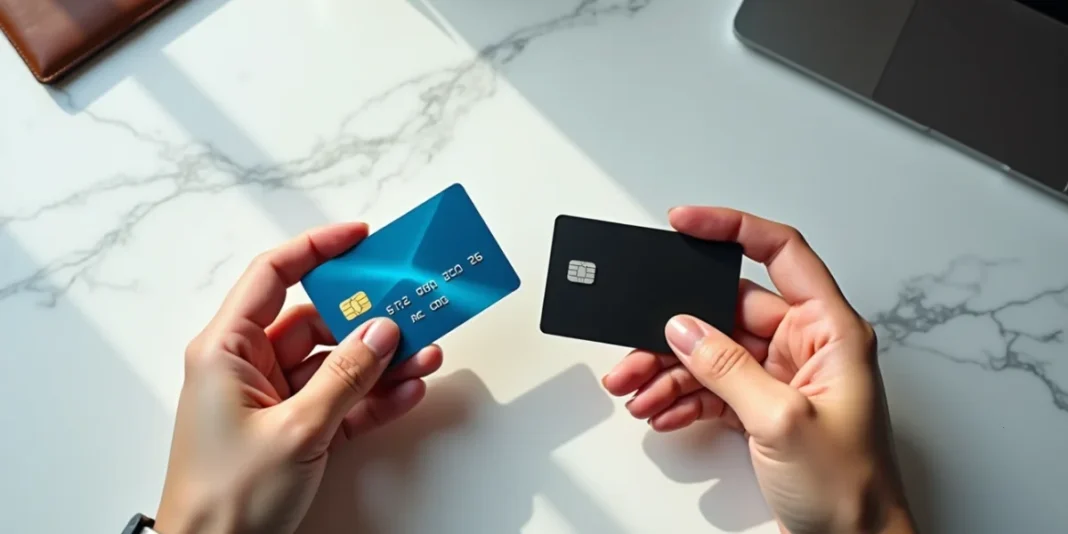

The credit card vs debit card decision affects millions of transactions daily, with credit cards accounting for 25% of point-of-sale transaction value worldwide in 2024, whilst debit cards hold 22% market share. The core difference between a credit card and debit card comes down to one fundamental factor: credit cards use borrowed funds, whereas debit cards draw directly from personal savings. This distinction impacts everything from spending control to fraud protection. This guide explores the differences between debit and credit in banking, comparing credit card vs debit card security, protection features, costs, and strategic use to help readers choose the right payment method for each situation.
What Are Credit and Debit Cards?
What is a credit card?
A credit card is a line of credit from a financial institution that allows users to make purchases now and pay later. The card issuer provides borrowed funds up to a predetermined limit based on the cardholder’s credit rating, income, and repayment history. This thin, rectangular piece of plastic or metal contains a unique card number, an expiry date, and a security code that identify the account.
The credit limit denotes the maximum amount a cardholder can borrow, determined by factors such as income, credit score, and previous repayment behaviour. Exceeding this limit may incur over-limit fees or result in declined transactions. Credit cards fall into several categories: standard cards with no annual fee and basic credit lines, premium cards offering concierge services and airport lounge access, rewards cards providing points or cashback, balance transfer cards with low introductory rates, secured cards requiring a deposit, and charge cards with no preset spending limit but requiring full monthly payment.
What is a debit card?
A debit card connects directly to a checking or savings account, allowing cardholders to spend money already deposited. These payment devices, often known as bank cards or check cards, pull funds directly from the connected account when used for purchases or ATM cash withdrawals. The amount available for spending equals the account balance, not a lender’s credit limit.
Three main types of debit cards exist: standard debit cards linked to bank accounts, electronic benefits transfer (EBT) cards issued by government agencies for benefit recipients, and prepaid debit cards that require money to be loaded before use. In contrast to credit cards, which may require income and credit score qualifications, debit cards are available to anyone with a checking account.
How credit cards function in practise
When a cardholder makes a purchase, they borrow money from the card issuer. The transaction data are sent over the card network to the issuing bank, which checks the card’s authenticity, available credit, and fraud risk before accepting or denying the transaction. Each billing cycle produces a statement showing all transactions and the total amount owed.
Cardholders must pay the minimum amount before the due date to avoid late fees. Interest is charged on any unpaid balance, usually at a greater annual percentage rate than other consumer loans. Credit card issuers must legally provide a 21-day grace period before interest accrues on purchases. Indeed, paying the full balance monthly eliminates interest charges entirely. Cash advances, however, attract interest from the transaction date until complete repayment.
How debit cards function in practise
During a debit card transaction, the merchant’s payment system communicates with the card network, which passes the details to the issuing bank. The bank checks the account balance to confirm sufficient funds exist. Provided that sufficient funds are available, the bank places a hold on the funds and sets them aside. Transactions may appear as pending until fully processed, typically within one to three business days for settlement.
Cardholders might need to enter a personal identification number (PIN) or sign for purchases. The merchant’s system then pulls funds directly from the checking account. Similarly to credit cards in appearance, debit cards feature 16-digit numbers, expiration dates, magnetic strips, and EMV chips. The fundamental difference between credit card and debit card transactions lies in the funding source: debit cards access existing deposits whilst credit cards tap borrowed funds. Spending beyond the account balance can trigger overdraft fees, as debit cards don’t offer the same borrowing flexibility.
Differences Between Credit Card vs Debit Card
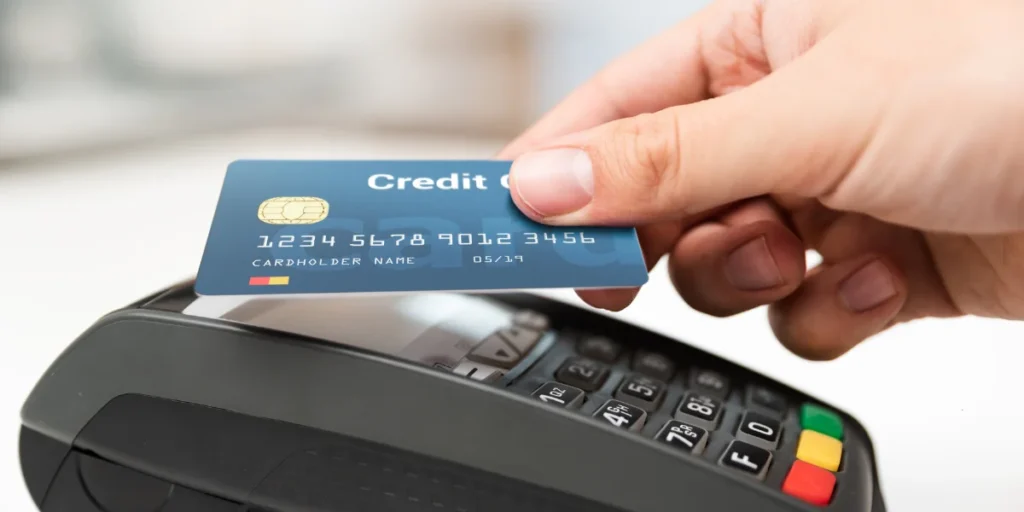
Source of funds: borrowed vs. personal money
Five distinguishing characteristics separate credit and debit cards, starting with their fundamental funding mechanism. Credit cards provide access to borrowed funds from the card issuer. When cardholders make purchases, they essentially take out short-term loans from their financial institution. Debit cards, conversely, draw directly from money already deposited in linked checking or savings accounts. This creates an immediate distinction: credit card users spend the bank’s money, whilst debit card users spend their own.
Spending limits: credit limit vs. account balance
The maximum spending capacity differs substantially between these payment methods. Credit cards operate with predetermined credit limits established by lenders based on creditworthiness factors. Financial institutions assess income, assets, expenses, debts, credit scores, employment status, and loan repayment history when determining appropriate limits. These limits might range from modest amounts to substantial credit lines exceeding £60,000. Debit cards impose spending restrictions tied strictly to available account balances. Cardholders cannot exceed their deposits unless they have overdraft facilities, though some banks set daily transaction caps to prevent fraud.
Monthly payments and repayment requirements
Another significant distinction between credit card and debit card usage is the responsibility to repay. To avoid late fees, credit cards need a minimum monthly payment of £15.29 to £38.22 or 2% of the outstanding debt, whichever is higher. Paying only this minimum amount significantly extends the repayment period and accumulates substantial interest charges over time. Debit cards carry no repayment requirements, as transactions are deducted from personal funds immediately. As a matter of fact, this eliminates monthly billing cycles and payment deadlines entirely.
Impact on your credit history and score
Credit history development represents a critical difference in how these cards affect long-term financial health. Credit card activity reports directly to credit bureaus, influencing scores through repayment behaviour, credit applications, account numbers, and utilisation ratios. Responsible use, including timely payments and maintaining balances below 30% of credit limits, builds a good credit history. Debit card usage does not trigger credit reporting because it signifies no borrowing capacity. This means debit-only users remain “credit invisible” to lenders evaluating loan applications.
Interest charges and when they apply
Cost structures diverge sharply between credit and debit card transactions. Credit cards charge interest on unpaid balances, with average rates exceeding 17% annually in many markets. Interest-free periods, extending up to 55 days from statement dates, allow cardholders to avoid charges by paying closing balances in full. However, interest accrues daily once this grace period expires. Cash advances accrue interest immediately, with no interest-free period, typically at higher rates than purchase transactions. Debit cards incur no interest charges since no borrowing occurs, though overdraft fees may apply if the account is overdrawn.
Credit Card vs Debit Card Protection and Security
Fraud protection: credit vs debit card coverage
Protection levels diverge sharply when examining credit card vs debit card security frameworks. Federal law provides stronger safeguards for credit card holders under the Fair Credit Billing Act, capping liability at £76.45 for unauthorised charges regardless of when the charges are reported. Debit cards fall under the Electronic Fund Transfer Act, which imposes variable liability based on how quickly cardholders report fraud: £0 if reported before unauthorised use, £76.45 within two business days, £764.50 between two and 60 days, and unlimited liability beyond 60 days. This creates a critical difference between credit card and debit card risk exposure, as delayed fraud discovery on debit cards can result in complete loss of stolen funds.
Zero liability policies and refund processes
In light of competitive pressures, major card networks extend protections beyond legal minimums. Visa’s Zero Liability policy covers Australian and New Zealand-issued cards for unauthorised purchases, excluding ATM transactions and certain commercial cards. Mastercard offers similar protection, provided cardholders exercise reasonable care in protecting their cards and promptly report loss or theft. These policies effectively eliminate financial responsibility for fraud victims who meet basic security requirements. Banks typically respond within 21 days to fraud reports, either resolving the matter or requesting additional time for investigation.
Account access during fraud investigations
The difference between debit and credit in banking becomes stark when fraud occurs. Credit card fraud affects borrowed funds, leaving personal cash untouched in bank accounts. Cardholders continue paying bills normally whilst investigations proceed. Debit card fraud, conversely, drains actual account balances, potentially causing bounced cheques and late fees until resolution. Banks generally issue temporary credits during investigations, which become permanent if fraud is confirmed. Investigation timeframes range from 10 business days for most cases to 45 business days for complex disputes.
Security features: PINs, encryption, and monitoring
Authentication mechanisms add protection layers to both card types. Personal identification numbers consist of four to six digits known only to cardholders. PIN entry at point-of-sale terminals significantly reduces unauthorised transaction risks, as thieves require both physical cards and correct PINs. EMV chip technology generates unique codes for each transaction, rendering cloned cards useless even if card data is stolen. Banks deploy fraud monitoring systems analysing transaction patterns, velocity, and location to flag suspicious activity in real time.
Chargeback rights and purchase disputes
Chargeback mechanisms allow cardholders to request transaction reversals through Visa and Mastercard schemes when merchants fail to deliver goods, provide defective products, or process duplicate charges. Both credit and debit cards qualify for chargebacks, though credit cards additionally benefit from Section 75 protection for purchases between £100 and £30,000, making card issuers equally liable with merchants. Cardholders must initiate chargeback claims within 120 days of the transactions. Success depends on the card scheme’s rules and the evidence provided, with no guarantee of a refund.
Costs, Fees, and Rewards Comparison

Operating costs substantially differentiate credit card and debit card ownership. Annual fees for credit cards average £250.75, though rewards cards typically charge £403.65. Premium cards push fees beyond £1,528.99 in some cases. Conversely, most debit cards attached to transaction accounts charge no annual fees, with some offering £0.00 account-keeping options. Certain credit cards waive annual fees for the first year or when spending thresholds are met, such as £7,640 annually.
Annual fees and monthly charges
Monthly fee structures apply to select credit cards, ranging from £22.93 to £53.51 depending on credit limits. Some cards reverse monthly fees when cardholders meet minimum spending requirements, typically £7,644.95 per statement period. Debit cards rarely impose monthly charges, though accounts with rewards features may carry fees that are generally waived upon meeting deposit conditions.
ATM withdrawal and cash advance fees
Cash advances on credit cards incur steep fees. Banks charge 3% to 3.5% of withdrawal amounts, subject to minimum fees of £4.59 to £6.12. Besides the upfront fee, interest accrues immediately at a rate of up to 21.99% per annum, calculated daily until full repayment. No interest-free periods apply to cash advances. Debit card ATM withdrawals incur no fees at affiliated networks, though non-network ATMs may charge £7.64 per transaction.
Transaction fees and foreign currency charges
International transaction fees create another cost differential. Credit cards typically levy 3% to 3.5% on foreign currency purchases. Debit cards impose similar percentages, though some specialist cards eliminate these charges entirely. Merchants may add surcharges of 1% to 2% for credit card payments, compared to 0.2% to 1% for debit transactions.
Credit card rewards: cashback, points, and travel perks
Rewards programmes distinguish credit cards from their debit counterparts. Credit cards offer cashback, points redeemable for travel or merchandise, and perks including airport lounge access and complimentary insurance. Point values vary, with strategic redemptions achieving 2 cents per point or more. Debit card rewards remain limited, offering modest cashback capped at a monthly limit.
Overdraft fees and interest charges
Debit cards trigger daily overdraft fees of £22.93 when transactions exceed the account balance, plus interest on negative balances. Credit cards avoid overdraft charges but impose interest averaging 17.74% to 20.99% per annum on unpaid balances. Paying credit balances in full eliminates interest, whilst debit overdrafts incur immediate charges.
Which Card Should You Use and When?

When to use a credit card
Credit cards suit situations that require fraud protection, particularly online shopping, where zero-liability policies minimise risk. Hotels and rental car companies often require credit cards for reservations, placing temporary holds on funds without immediately withdrawing them from checking accounts. Rewards programmes make credit cards advantageous for planned purchases that can be paid off monthly, earning cashback or travel points. Building a credit history requires using a credit card, as responsible payment behaviour improves credit scores.
When to use a debit card
ATM cash withdrawals favour debit cards, which avoid the cash advance fees and immediate interest charges that credit cards impose. Small businesses charging credit card surcharges make debit cards more economical. Budgeting becomes simpler with debit cards, as spending limits match account balances rather than credit lines.
Related Article: How to Build a Budget That Actually Works: A Simple Guide to Money Control
Common mistakes to avoid with both cards
Credit card errors include carrying balances month to month, which increases credit utilisation and costs. Making only minimum payments extends repayment duration by years. Debit card mistakes involve neglecting PIN security, using public WiFi for transactions, and ignoring transaction notifications.
The smart strategy: using both cards together
Combining both card types allows users to maximise rewards through credit cards whilst maintaining spending discipline via debit cards for routine purchases.
Best practises for managing credit and debit cards
Set spending limits and account alerts to prevent unauthorised transactions. Review statements regularly to catch fraud early. Pay credit balances in full monthly to avoid interest.
Conclusion – Credit Card vs Debit Card
The credit card vs debit card debate doesn’t require choosing one permanently. Each card type excels in specific situations, and understanding these strengths helps users deploy them strategically.
Credit cards offer superior fraud protection, rewards programmes, and credit-building opportunities, making them ideal for online purchases and planned monthly expenses. Debit cards provide spending discipline, eliminate interest charges, and suit daily transactions where budget control matters most.
By and large, the optimal approach combines both cards: credit cards for protection and rewards, debit cards for budget management. Responsible usage of each card type, including timely payments and regular statement reviews, ensures maximum financial benefit whilst minimising risk.
Is a credit or debit card preferable?
The choice depends on your financial goals and spending habits. Credit cards are better suited for building credit history, earning rewards, and providing superior fraud protection, making them ideal for online purchases and planned monthly expenses you can pay off. Debit cards work best when you want to maintain strict budget control, avoid interest charges, and spend only what you already have in your account. Many people find that using both cards strategically—credit cards for protection and rewards, debit cards for everyday spending—provides the most balanced approach to money management.
What are the differences between credit and debit cards?
The primary difference is in the source of cash: credit cards use borrowed funds from the card provider, whereas debit cards draw straight from your personal bank account. Credit cards have predetermined credit limits and require monthly payments, whereas debit cards are limited by your account balance with no repayment obligations. Additionally, credit card activity is reported to credit bureaus and affects your credit score, whilst debit card usage has no impact on your credit history. Credit cards charge interest on unpaid balances, but debit cards incur no interest charges since you’re spending your own money.
Are credit cards safer in regards to fraud protection?
Yes, credit cards generally offer stronger fraud protection. Under federal law, credit card liability is capped at £76.45 for unauthorised charges regardless of when you report the fraud. Debit card liability varies based on reporting speed: £0 if reported before unauthorised use, £76.45 within two business days, £764.50 between two and 60 days, and potentially unlimited liability beyond 60 days. Additionally, credit card fraud affects borrowed funds rather than your actual bank account balance, meaning your personal cash remains accessible while investigations proceed.
What fees should I expect with a credit card vs debit card?
Credit cards typically charge annual fees averaging £250.75, with premium cards costing significantly more. They also impose cash advance fees of 3% to 3.5% of withdrawal amounts, foreign transaction fees of 3% to 3.5%, and interest charges averaging 17% to 20% annually on unpaid balances. Debit cards generally have no annual fees when linked to transaction accounts, no interest charges, and free ATM withdrawals at affiliated networks. However, debit cards may trigger overdraft fees of around £22.93 daily if you spend beyond your account balance.
When should a credit card be used instead of a debit card?
Use credit cards for online shopping where fraud protection is crucial, hotel reservations and car rentals that require holds, and purchases where you want to earn rewards points or cashback. Credit cards are also essential for building credit history through responsible usage. Choose debit cards for ATM cash withdrawals to avoid cash advance fees, small business purchases where credit card surcharges apply, and everyday spending where you want to maintain strict budget control by limiting yourself to available account funds.