








The health insurance price increase for 2026 has been approved at an average of 4.41 per cent since 1 April 2026. However, this average hides significant variation, with some Australians seeing increases as high as 25 per cent, while gold-level policies with major insurers rise by an average of 13.3 per cent. These increases reflect higher healthcare costs, as insurers paid out more than $26.7 billion in benefits last year. Knowing how private health insurance costs differ among funds is crucial for managing these changes. This guide details the actual costs Australians will face, compares premium increases by insurer, and outlines practical ways to reduce financial impact.
What’s Changing with Health Insurance Prices in 2026
The 4.41% Average Premium Increase
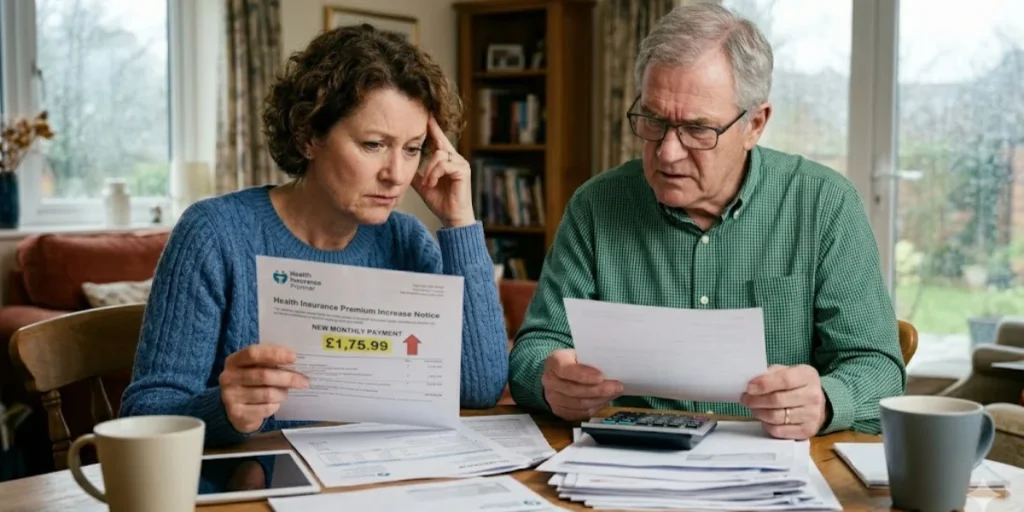
Health Minister Mark Butler approved the 4.41 per cent average premium increase, marking the highest rise in almost a decade. This figure represents the largest percentage increase since 2017. Note that this is an industry average calculated across all health funds and products, which means individual policy increases will vary significantly from this headline number. The average increase aims to ensure private health insurance keeps pace with rising healthcare costs.
When the New Premiums Take Effect
The new premiums went into effect on April 1st 2026. This date has become standard for annual premium adjustments in Australia, with insurers typically receiving approval notifications between December and January, although the process can take longer. Prior to 2026, there have been instances of delayed premium increases, such as during 2022-23 when some insurers postponed rate rises to return savings from fewer claims during the COVID-19 pandemic.
Why is this increase higher than in 2025
The 4.41 per cent rise is higher than 2025’s 3.73 per cent and follows 2024’s 3.03 per cent. Specifically, the increase reflects rising costs of providing medical and hospital services, which increased by 5 per cent last financial year. In addition, the premium rise accounts for increasing wage bills and the need to secure the viability of private hospitals. In light of these factors, the government balanced consumer affordability against the sustainability of private hospital services and healthcare delivery.
Government’s Role in Approving Premium Changes
Under the Private Health Insurance Act of 2007, health insurance companies must submit suggested changes to the Federal Minister of Health for approval before raising premiums. Insurers provide detailed financial information and cost projections certified by accredited actuaries. The Department of Health examines these submissions alongside the Australian Prudential Regulation Authority (APRA), which serves as the independent financial regulator with the power to audit insurer finances. The Albanese Government’s average premium increase stands at 3.52 per cent, compared to 4.26 per cent under the former coalition Government.
How Much Premium Increases Vary Between Funds
Top 5 Funds with Largest Increases
Private health insurance prices differ widely between insurers. AIA Health Insurance has the highest increase at 5.98%, with NIB at 5.47% and Medibank Private at 5.1%. HCF rises by 4.96%, while BUPA increases 4.8%. These three major for-profit insurers average 5.12%, well above the industry benchmark.
Top 5 Funds with Smallest Increases
At the opposite end, GMHBA Limited delivered the lowest increase at just 1.98%. HBF Health followed at 2.15%, with Police Health at 2.53%. Health Insurance Fund of Australia (HIF) increased by 2.6%, and Navy Health by 2.88%.
For-Profit vs Not-for-Profit Fund Increases
The structure of health funds influences pricing decisions. Members Health funds, representing more than 20 not-for-profit insurers, averaged just 3.62%. In a similar fashion, these funds operate on a net margin of 2.6% compared with around 7% for the Big 3 for-profit funds.
Your Individual Premium May Differ from the Average
Individual policy increases often diverge from fund averages. Gold-level policies with the big five funds rose by an average of 13.3%. HCF’s Hospital Optimal Gold cover jumped 25 per cent. In contrast, basic, bronze, or silver policies climbed less, between 2.6 per cent and 3.3 per cent. Some basic policyholders saw no increase.
Private Health Insurance Prices: What You’ll Actually Pay

Current Average Costs by Household Type
Actual costs depend on age group and family composition. Young singles (under 36) pay approximately $4,285.76 annually for combined hospital and extras cover, whilst established singles (36-59) pay $5,038.02, and mature singles (60+) pay $5,409.57 per year. For couples, young households pay around $8,297.83, established couples $9,758.02, and mature couples $10,462.88 annually.
Hospital Cover vs Extras Cover Pricing
Hospital cover represents the bulk of private health insurance costs. Singles pay between $3,123.73 and $4,311.75 per year for hospital cover, depending on age, whilst extras cover averages $1,194.14 to $1,623.79 per year. Couples face $6,213.82 to $8,505.77 for hospital policies, with extras adding $2,382.17 to $3,210.88.
State and Territory Price Differences
Private health insurance prices vary by location due to medical service costs. Victorians pay up to 25 per cent more than other states, and older singles pay 9.5 per cent above the national average. Western Australia has the lowest premiums, with young families paying 10 per cent below the national average.
Private Health Insurance Cost with Government Rebates
The Australian Government provides rebates to reduce premium costs. For premiums between 1 April 2026 and 30 June 2026, base tier rebates are 24.118% for under 65s, 28.139% for ages 65-69, and 32.158% for those 70+.
How do the May 2026 Budget Income Tiers affect your rebate?
From 1 July 2026, income thresholds increase. Singles earning $160,543.97 or less qualify for base-tier rebates, whilst families with incomes below $321,087.95 qualify. Higher income tiers progressively reduce rebate percentages.
Your Options to Reduce the Impact of Price Increases

More than half of Australians with health insurance (53%, equivalent to 8.1 million people) are taking action as premiums climb. Several strategies can reduce the financial impact.
The ‘Delayed Hike’ Hack: Why it’s not too late to lock in old rates
Paying premiums annually before 1 April locks in current rates for a full year. HCF allows prepayment up to 18 months in advance, potentially saving up to $204.88 depending on the policy. One in eight health insurance members (16%) already pay premiums upfront to avoid increases.
Switch to a More Affordable Policy
Switching from an average-priced gold hospital policy to the lowest-priced option could save $2,120.71 annually without downgrading coverage or re-serving waiting periods. One in five Australians (21%) choose basic policies to control costs, whilst 16% regularly switch providers. Under portability rules, hospital entitlements transfer to new insurers without re-serving waiting periods.
Adjust Your Excess or Coverage Level
Increasing excess from $764.50 to $1,146.74 for singles saves $498.15 yearly, whilst couples save $990.79 by raising excess from $1,529.00 to $2,293.49. Singles can opt for excess up to $1,146.74 and couples up to $2,293.49 whilst still avoiding the Medicare Levy Surcharge.
Remove Unnecessary Extras or Services
Removing obstetrics coverage saves approximately $917.39 annually, whilst excluding hip replacement services cuts roughly $611.60. Extras cost an average of $1,322.58 per year; if claims don’t exceed this amount, dropping extras may be worthwhile.
Consider Basic Hospital-Only Cover
Basic hospital-only policies meet Medicare Levy Surcharge exemption requirements whilst offering the most affordable premiums. Basic cover suits young, healthy individuals and helps avoid the Lifetime Health Cover loading.
Conclusion – Health Insurance Price
The 2026 health insurance landscape presents both challenges and opportunities for Australian policyholders. By and large, the 4.41 per cent average increase masks substantial variation between insurers and policy types, with some facing rises exceeding 25 per cent. However, practical options exist to mitigate these costs. Prepaying premiums, switching policies, adjusting coverage levels, and comparing fund rates can deliver significant savings. Armed with this knowledge, Australians can make informed decisions to protect their health coverage whilst managing premium increases effectively.
You May Also Be Interested In: 8 Essential Types of Insurance That Protect Your Future
How much will private health insurance premiums increase in 2026?
Private health insurance premiums increased by an average of 4.41% from 1 April 2026. However, individual increases vary significantly between insurers and policy types, with some policyholders facing rises as high as 25%, whilst others may see increases as low as 1.98%, depending on their fund and coverage level.
When do the new health insurance premium rates take effect?
The new premium rates went into effect on 1 April 2026. This is the standard date for annual premium adjustments in Australia, giving policyholders the opportunity to review their coverage and make changes before the increases apply.
Why is the 2026 health insurance increase higher than in previous years?
The 4.41% increase is higher than 2025’s 3.73% rise due to several factors: medical and hospital service costs rose 5% in the last financial year, wage bills have increased, and insurers need to maintain the viability of private hospitals. The increase reflects the actual costs of providing healthcare services.
Do all health insurance funds increase premiums by the same amount?
No, premium increases vary considerably between funds. Not-for-profit funds averaged 3.62%, whilst the three major for-profit insurers averaged 5.12%. Individual fund increases range from as low as 1.98% (GMHBA) to as high as 5.98% (AIA Health Insurance), with your specific policy increase depending on your insurer and coverage type.