






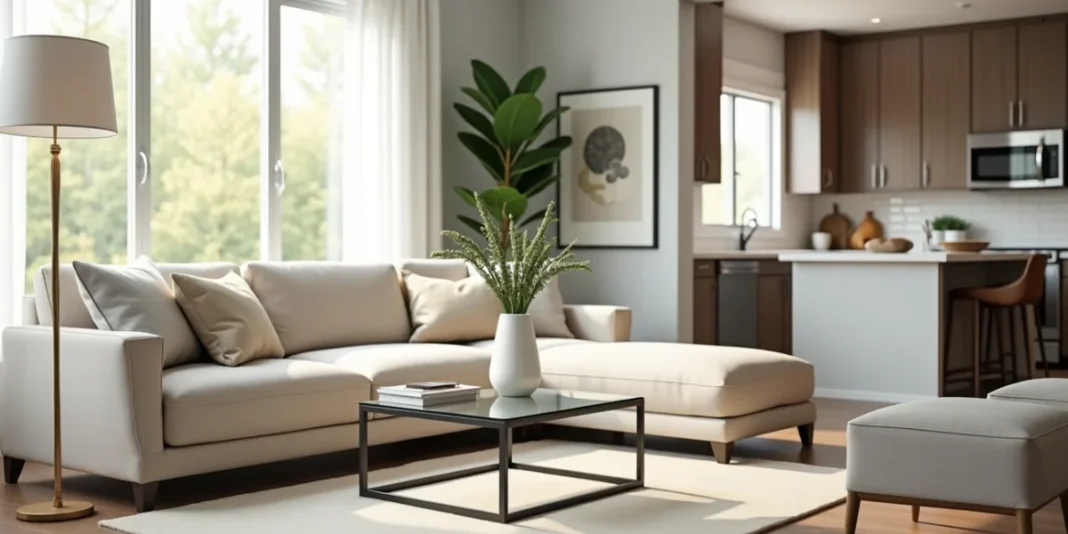

Did you know that staging your home can add an estimated 5 to 10 per cent to the final sale price?
Home staging involves more than simply tidying up or arranging cushions perfectly. It’s about preparing a property for sale by highlighting its best features and helping potential buyers picture themselves living there. This process creates an emotional connection with buyers, consequently making your property stand out in a competitive market.
When staging a home for sale, homeowners should expect to pay between 1 and 3 per cent of the selling price. However, this investment often proves worthwhile, as research shows that staged homes typically spend less time on the market. Whether you’re planning to handle the staging yourself or hire professional home staging companies, understanding the costs, benefits and techniques can significantly impact your success.
This guide explains everything you need to know about house staging—from essential steps and focus areas to pricing considerations and the measurable impact on your property’s final sale price.
Why Home Staging Matters in Today’s Market
In a property market where first impressions matter enormously, home staging has become a vital strategy for sellers looking to maximise their returns. Professional staging transforms an ordinary property into a standout listing that captures buyers’ attention from the moment they view photos online.
Helps Buyers Visualise the Space
Many prospective buyers struggle to envision how they might use an empty room or one filled with someone else’s belongings. Home staging addresses this challenge by presenting spaces in their optimal layout and function.
Professional stagers arrange furniture and décor to highlight a property’s strengths while minimising any weaknesses. This thoughtful presentation helps buyers understand:
- How can different rooms function effectively
- The actual dimensions and potential of each space
- Possible furniture arrangements that work with the home’s layout
Moreover, staged homes appear more spacious and inviting in both photographs and during in-person viewings. This visual clarity eliminates the mental work buyers must do when viewing unstaged properties, making the decision-making process more straightforward.
Creates Emotional Connection
Purchasing a home involves both logical and emotional decisions. While buyers have practical requirements regarding location, size, and amenities, the final decision often hinges on emotional factors.
A professionally staged home creates an aspirational quality that resonates with potential buyers. Rather than seeing just walls and floors, they experience a lifestyle. This emotional connection is compelling because it:
- Helps buyers imagine their life unfolding in the space
- Creates positive associations with the property
- Establishes an immediate sense of “home” upon entering
The strategic use of furnishings, accessories, and even subtle scents works together to craft an emotional experience that stays with buyers long after they’ve left the property.
Increases Perceived Value of the Home
Perhaps the most compelling reason for home staging is its direct impact on perceived value. A thoughtfully staged home appears better maintained and more desirable, justifying a higher asking price in buyers’ minds.
This perception shift occurs because of staging:
- Emphasises quality features that might otherwise go unnoticed
- Creates a move-in-ready appearance that commands premium pricing
- Distinguishes the property from unstaged competition in the same area
Essentially, staging transforms the property into its “best self”—much like professional photography makes products more appealing in advertisements. This enhancement of perceived value often translates directly into higher offers.
The importance of staging becomes particularly apparent when considering market competition. In neighbourhoods where multiple similar properties are available, staging provides a critical competitive edge that can make the difference between a quick sale at the asking price and a property that lingers unsold for months.
For sellers wondering about home staging costs, the investment typically ranges from £500 for basic staging consultations to several thousand pounds for complete professional staging services—an expense that often yields returns many times over through faster sales and higher offers.
Key Areas to Focus on When Staging a House for Sale
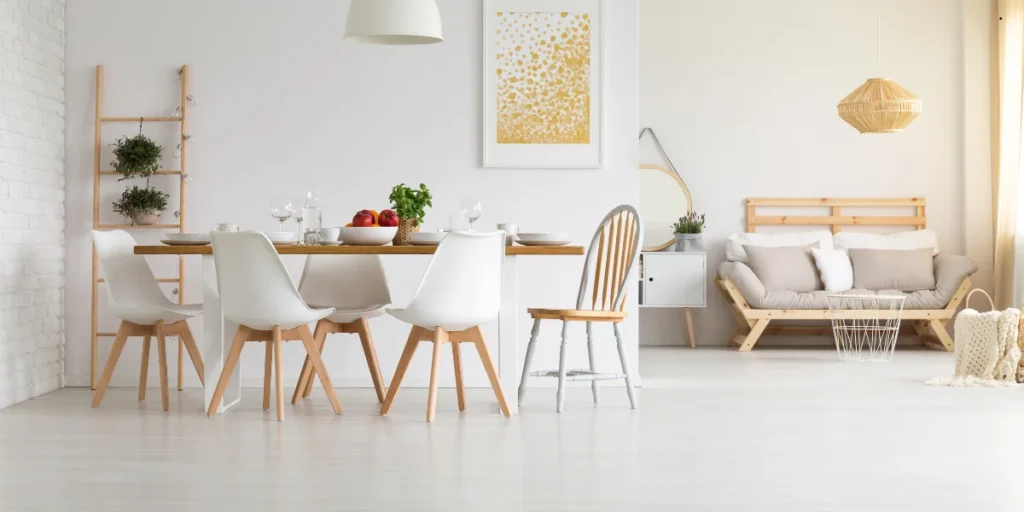
Successful home staging requires strategic focus on specific areas that have the greatest impact on buyers. According to research by the National Association of Realtors, certain rooms matter more than others when showcasing a property for sale.
Living Room and Kitchen
The living room ranks as the most critical area for staging, with nearly half of surveyed buyers’ agents revealing that clients wanted a staged living room before making a purchase decision. As the central gathering place and often the first space visitors see, living rooms create that crucial initial emotional connection.
When staging a living room, focus on:
- Deep cleaning for spotless surfaces
- Moving furniture away from pathways and windows
- Removing personal items and small furnishings that occupy precious space
- Using light window treatments to maximise natural light
The kitchen, described as “the heart of every home,” ranks as the third most important room for buyers according to NAR surveys. Most visitors need only three minutes to decide if your kitchen meets their standards. To stage effectively, ensure all surfaces sparkle, appliances appear up-to-date, and ambient lighting creates the right mood. Even small details, like clean fixtures and the right faucet, can significantly impact buyer perception.
Master Bedroom and Bathrooms
The master bedroom ranks second among the most important rooms for staging. Create a restful retreat by using neutral colours such as beige, grey, or “greige” (a beige-grey combination) for walls. Professional stagers recommend including only essential furniture—a bed, matching bedside tables, lamps, a corner chair, artwork, and a rug.
For bathrooms, especially the master bath, cleanliness is paramount. Buyers get excited about master bathrooms, so clean “like you’ve never cleaned before”. Work from ceiling to floor, addressing any marks or scratches. Create a spa-like atmosphere with the strategic use of high-quality towels and subtle scents. Before showings, ensure all surfaces sparkle and open blinds to maximise natural light.
Entryway and Outdoor Spaces
First impressions form within seconds, making your entryway crucial in setting the tone for the entire viewing. The area outside your front door needs to be immaculate—clean steps, spotless door, and polished fixtures. Inside, keep the entryway open and spacious to create better flow. Consider adding mirrors to make smaller entryways appear larger, and use appropriate lighting fixtures to add style.
Outdoor spaces have become increasingly important to today’s buyers, with the front yard creating that crucial opening impression. Even modest balconies, courtyards, or terraces benefit from thoughtful staging. Simple improvements like sweeping walkways, adding fresh mulch, or including potted plants can instantly upgrade curb appeal.
For back gardens or patios, demonstrate how the space extends indoor living. A simple seating arrangement, outdoor dining setup, or strategic lighting helps buyers visualise daily activities from morning yoga to evening relaxation. Maintenance remains essential—trim overgrown shrubs, ensure grass looks healthy, and remove anything that suggests neglect.
By prioritising these key areas when staging your home, you create a comprehensive presentation that addresses what buyers value most, ultimately supporting faster sales and potentially higher offers.
Essential Steps to Stage Your Home Effectively
Beyond knowing which areas to prioritise, effective home staging requires meticulous attention to five essential steps that transform an ordinary house into a property buyers will compete for.
Declutter and Depersonalise
The foundation of successful home staging begins with removing excess items and personal belongings. This critical first step creates a blank canvas that allows buyers to envision themselves living in the space rather than feeling like visitors in someone else’s home. Start by:
- Removing family photos, personal collections and memorabilia
- Clearing countertops of non-essential items
- Organising storage spaces, closets and drawers
- Storing out-of-season clothes to maximise closet appeal
- Eliminating 30–50% of items from each room
This process isn’t just about appearance—it’s about psychology. Depersonalising helps buyers mentally “move in” whilst viewing your property, furthermore creating the impression that your home offers ample storage.
Deep Clean Every Room
Once decluttered, thorough cleaning becomes the next priority. A spotless home signals to buyers that the property has been well-maintained, thereby increasing perceived value. Focus on:
Getting rid of dust bunnies and repairing any cracks or holes in the walls. Additionally, pay special attention to kitchens and bathrooms by mopping floors, clearing countertops, cleaning appliances, and replacing old caulking around sinks and bathtubs.
For ongoing maintenance during the selling period, create a daily checklist that includes wiping down surfaces, cleaning floors, making beds, and putting away personal items such as toiletries. This routine ensures your home remains show-ready for unexpected viewings.
Rearrange or Remove Furniture
Furniture placement significantly impacts how spacious and functional a home appears. First, remove excess and oversized furniture that makes rooms feel cramped. Subsequently, create a layout that establishes clear pathways without forming artificial hallways that diminish the sense of space.
Pull sofas away from walls (30-90cm) to create depth perception that makes rooms appear larger. For dining areas with round tables, position chairs in an “X” pattern rather than a “+” to create an open, inviting impression from entry points. Always ensure there are enough seats to accommodate a family the size of your home, plus additional guests.
Use Neutral Colours and Lighting
Neutral colour schemes appeal to the broadest audience and make spaces feel larger. Paint interior walls with neutral colours such as beige, cream, or light pastels. Popular staging colours include Edgecomb Grey, Classic Grey, and White Dove, which provide versatile backgrounds that work with various decorating styles.
Lighting dramatically affects perception—brighten rooms by:
Installing higher wattage incandescent light bulbs, using “soft white” bulbs (2700-3000k) for a warm, inviting feel, aiming for 100 watts of light total for every 50 square feet, and creating layers of light with a mix of ambient, task, and accent lighting
Always ensure light bulbs throughout the home have consistent colour temperatures to create a harmonious feel.
Add Plants and Simple Décor
The final touch in effective home staging involves strategic decorative elements that bring warmth and life to spaces. Plants create a natural bridge between urban living and nature, adding freshness and vibrancy. They enhance mental well-being and make a house feel more like a home.
For maximum impact, mix flowering plants with foliage plants to add bursts of colour without overwhelming the space. In bathrooms, flowers instantly create a spa-like atmosphere, whilst kitchen windowsills benefit from herb plants that suggest functionality.
Keep décor minimal yet strategic—quality over quantity remains the rule. Simple touches like decorative soaps in bathrooms, throw pillows in neutral tones, or fresh fruit in a bowl can elevate spaces without creating clutter.
Understanding Home Staging Costs and Pricing
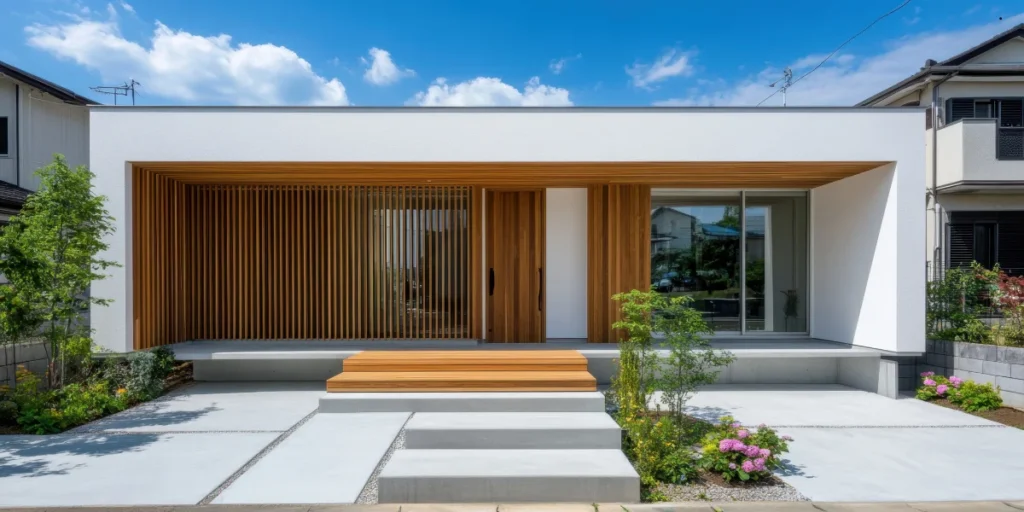
The financial aspect of home staging often raises questions for sellers planning to list their property. Understanding these costs helps in making informed decisions about this valuable marketing investment.
Average Home Staging Cost by Property Size
Home staging prices vary primarily based on property dimensions. For a standard six-week period, expect to pay approximately:
- AUD 3,822 for a studio/one-bedroom apartment
- AUD 5,504 for a two-bedroom apartment
- AUD 7,645 for a three-bedroom house
- AUD 9,174 for a four-bedroom family home
- AUD 10,703 or more for properties with five-plus bedrooms
Costs fluctuate by location, with major cities like Sydney and Melbourne commanding higher rates. In 2024, professionally staged properties sell 88% faster and for 17% more than non-staged homes.
What’s Included in Professional Staging?
Professional staging packages typically encompass:
- Initial consultation and property assessment
- Furniture and accessories rental
- Delivery, installation and styling by experts
- Insurance coverage for all items
- Removal after sale completion
Most packages cover a 6-8 week period, aligning with typical sales campaign timelines. Extensions are usually available at weekly discounted rates for properties requiring longer marketing periods.
DIY vs. Hiring Home Staging Companies
Though DIY staging initially seems cost-effective, the financial equation often favours professionals. A comparative study found DIY staging for just one area (living/dining) cost AUD 8,623, whereas professional staging for an entire two-bedroom unit totalled only AUD 3,822.
DIY staging requires substantial time investment—potentially months of effort—whilst professional services transform homes within days. Significantly, poor DIY execution may extend selling periods and reduce offers, ultimately costing more through price reductions than the initial saving.
Virtual Staging as a Budget Option
Virtual staging offers a modern alternative at a fraction of the cost of traditional staging. This digital approach involves editing photos of empty spaces to add furniture and décor, at a cost of between AUD 36 and 183 per image.
Complete virtual staging packages range from AUD 110 to AUD 550, depending on property size and number of rooms. This approach particularly benefits rental properties, as landlords see faster lease-ups and lower vacancy rates through improved listing appeal.
How Staging Impacts Sale Price and Time on Market
Evidence consistently shows that staged properties outperform their unstaged counterparts in the marketplace. The statistics paint a clear picture of why home staging has become indispensable for sellers seeking maximum returns.
Faster Sales and Fewer Days on Market
Staged homes typically sell at remarkable speed compared to unstaged properties. Indeed, professionally staged homes spend 73% less time on the market than unstaged counterparts. In Australia, staged properties spend 30% fewer days waiting for buyers. This acceleration is even more dramatic in specific markets, with staged properties in Brisbane selling up to 35% faster.
Higher Offers and Better Buyer Perception
The financial benefits extend beyond quicker sales. Staged homes typically sell for 5-10% more than similar unstaged properties, with some reports showing increases of up to 17%. For a £500,000 property, this translates to £25,000-£85,000 in additional profit—an extraordinary return on a modest staging investment.
Key findings reveal:
- 29% of agents report staged homes receiving 1-10% higher offers
- Staged properties in NSW sell for 5-10% more than non-staged homes
- Average ROI on staging investment ranges from 800-2000%
Real Estate Agent Insights on ROI
Real estate professionals overwhelmingly confirm staging’s value. Nearly half (49%) of sellers’ agents observed reduced selling time after staging. Typically, for every £1 invested in staging, sellers see returns of £4.59-£6.12 in increased sale price, making it among the most cost-effective pre-sale strategies available.
Conclusion – Home Staging
Home staging undoubtedly transforms an ordinary property into a desirable living space that commands premium offers. Throughout this guide, we have seen how strategic staging highlights a home’s best features while helping potential buyers envision themselves living there. This emotional connection proves incredibly powerful in the decision-making process.
The evidence speaks for itself – staged properties typically sell up to 88% faster and for 5-10% more than their unstaged counterparts. Considering that professional staging costs between 1% and 3% of the selling price, the return on investment remains exceptionally compelling. Essentially, every pound invested in staging returns £4-£6 in increased sale value.
First impressions matter tremendously when selling property. Therefore, focusing on key areas such as living rooms, kitchens, master bedrooms, and entryways creates the crucial initial impact. Additionally, following the essential staging steps – decluttering, deep cleaning, furniture arrangement, neutral colour schemes, and strategic decorative elements – elevates your property’s appeal significantly.
Whether you choose professional services or tackle staging yourself, preparing your home properly before listing will almost certainly result in a faster sale at a better price. After all, staging transforms your house from a lived-in home into a marketable product that appeals to the broadest possible audience of potential buyers. This transformation ultimately delivers what every seller wants: maximum return on their property investment.
How much does home staging typically cost?
Home staging costs generally range from 1% to 3% of the property’s selling price. For a standard six-week period, prices vary by property size, with a studio/one-bedroom apartment costing around AUD 3,822 and a four-bedroom family home costing around AUD 9,174.
What are the key areas to focus on when staging a home?
The most important areas to focus on when staging a home are the living room, kitchen, master bedroom, and bathrooms. The entryway and outdoor spaces are also crucial for creating a positive first impression.
Can home staging really increase the sale price of a property?
Yes, home staging can significantly increase a property’s sale price. Staged homes typically sell for 5-10% more than similar unstaged properties, with some reports showing increases of up to 17%.
Is it better to hire a professional stager or do it yourself?
While DIY staging may seem cost-effective initially, professional staging often provides better results and can be more economical in the long run. Professionals can transform homes within days, whereas DIY efforts may take months and potentially lead to extended selling periods.
How does home staging impact the time a property spends on the market?
Home staging can dramatically reduce the time a property spends on the market. Professionally staged homes typically sell 73% faster than unstaged properties, with some markets seeing staged properties sell up to 35% quicker.