






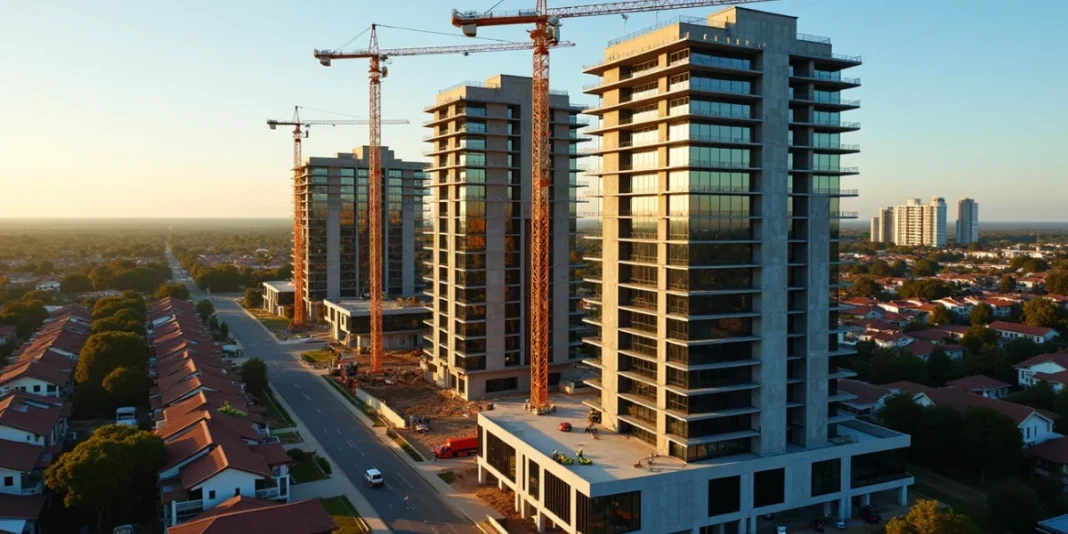

Housing supply Australia has experienced a notable surge, with new home approvals reaching their highest level since 2022. The nation approved 18,352 new homes in September, marking a significant milestone in addressing housing shortages. This surge represents a 12% increase from the previous month, with the total number of dwellings approved rising to 17,019 on a seasonally adjusted basis.
Notably, high-density housing has contributed significantly to the uptick in housing supply and demand that Australia is currently experiencing. Approvals for private dwellings, excluding houses such as townhouses and apartments, increased by 26% to 7,219 units. When compared to the same period last year, this category showed an impressive increase of more than 55%. Despite this positive development, questions remain about whether this momentum can be sustained amid the ongoing housing supply crisis Australia faces. Furthermore, the average value of housing approved has increased by approximately 6.5% nationally, indicating rising costs alongside the growing supply.
ABS Reports 25% Jump in Building Approvals
Building approvals have significantly increased statewide, according to the Australian Bureau of Statistics (ABS). The total number of dwellings approved rose 12% in September to 17,019 in seasonally adjusted terms, marking a significant recovery after consecutive falls in July and August.
September Sees the Highest Dwelling Approvals Since 2022
According to Daniel Rossi, ABS head of construction statistics, the September figures represent the strongest monthly result since June. The overall growth follows two months of decline, with approvals falling in both July (by 8.2%) and August (by 6%). Over the year to September, 191,695 new homes were approved across Australia—the highest annual total in almost three years and 13.7% higher than the previous 12 months. Nevertheless, current approval rates leave Australia approximately 48,000 homes short each year of what’s required under the government’s housing plan.
Apartments Lead the Surge with an 81.7% Increase
Notably, apartment approvals powered much of the overall momentum. In original terms, apartment approvals soared 81.7% to 5,430 dwellings, following a weak August result of 2,989. This represents the highest number of apartments approved since December 2022. The broader category of private dwellings, excluding houses (which includes semi-detached, row, or terrace houses, townhouses, and apartments), rose 26% to 7,219 dwellings, now standing 55.2% higher than a year ago. Townhouse approvals additionally increased by 5.7% to 2,616 dwellings.
Detached Housing Approvals Rise Modestly
Private sector house approvals also contributed to the monthly rise, although more modestly, increasing by 4.0% to 9,547 dwellings after a 1.0% fall in August. This puts detached house approvals at roughly the same level as they were at this point last year. The results varied considerably across states:
- New South Wales: Largest rise at 7.8%
- Victoria: Healthy improvement at 7.3%
- South Australia: Increase of 7.4%
- Western Australia: Growth of 6.8%
- Queensland: Only state to record a decline, with private sector house approvals down 6.9%
Overall approvals for total dwellings were also mixed across states, with Victoria (41.3%), New South Wales (30.4%), and Tasmania (11.7%) recording increases, while Queensland (-11.3%), Western Australia (-5.1%), and South Australia (-0.9%) experienced declines.
States Record Mixed Results in Housing Costs and Approvals
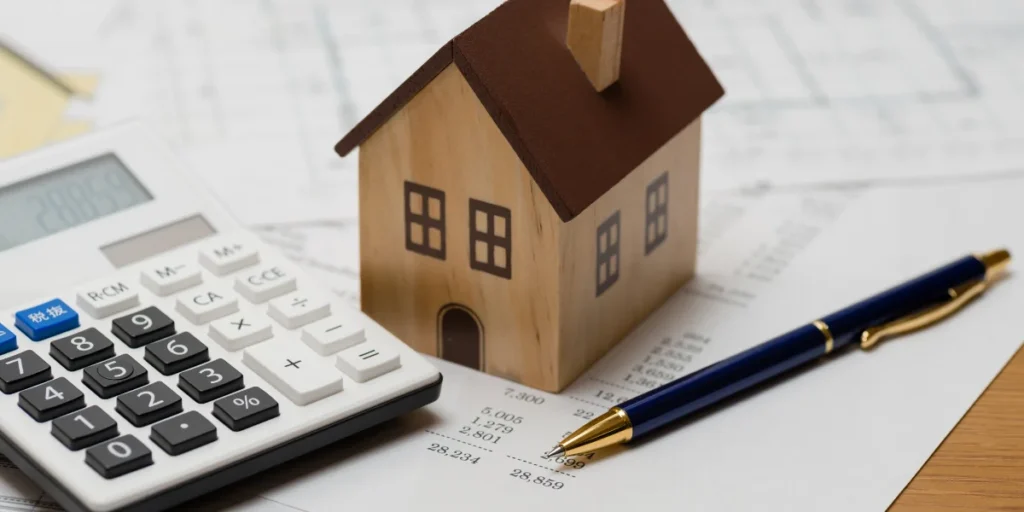
The surge in building approvals across Australia has been accompanied by substantial variations in costs and approval rates among different states. The construction industry faces mounting pressures as building costs reach unprecedented levels in several regions.
NSW, QLD, and SA Hit Record Average Build Costs
Record-breaking construction costs have emerged as a significant hurdle for the housing supply Australia in three central states. New South Wales now commands the highest average house build cost at AUD 881,725.86, while Queensland follows closely behind at AUD 820,113.67, and South Australia has reached AUD 657,085.08. These figures represent historic highs for all three states, raising concerns about affordability amid efforts to increase Australia’s housing supply.
Victoria and WA Show Growth
Meanwhile, Victoria recorded its fourth-highest average build cost at AUD 800,479.90, showing more moderate growth than some other states. Western Australia’s economy continues to display remarkable strength, topping the nation in household spending, household finance, dwelling starts and equipment investment for the fifth consecutive quarter. Impressively, WA’s housing finance stands 42.5% above its long-run average, with equipment investment 32.9% above average and dwelling starts 24.8% higher than the ten-year average. Subsequently, Perth property prices rose 7.5% in the year to September, yet the state still struggles to meet demand with current building rates.
Queensland Sees a Decline in House Approvals
Conversely, Queensland has experienced a downturn in approvals despite price increases. In March 2025, the trend estimate for all dwelling units allowed in Queensland fell by 2.1%, with a 1.8% decline in private sector home approvals. Furthermore, regional results within Queensland vary considerably; North Queensland (Townsville) emerged as the standout performer, with approvals up 44.5% over three months and 65.6% higher than the previous year. The Wide Bay Burnett region also performed strongly with a 31% quarterly increase. Nonetheless, several regions recorded declines, including Central Queensland (-14.9%), Mackay & Whitsunday (-15.2%), and Far North Queensland (-15.3%).
Housing Industry Association senior economist Tom Devitt noted that while Victoria and NSW appear to be responding after lagging behind other states, increased building costs primarily reflect rising tradies’ wages rather than material costs, which have remained relatively stable.
Experts Warn Rising Costs May Halt Rate Cuts

Recent economic analyses have raised concerns that Australia’s housing supply recovery may be hindered by persistent inflationary pressures. Economic experts increasingly caution that building cost escalation could derail expected interest rate cuts.
HIA and Oxford Economics Weigh in on Inflation Risks
Oxford Economics Australia forecasts that construction cost growth will accelerate towards 4% per annum by FY2028, potentially adding approximately AUD 305.80 million to a multi-year AUD 1.53 billion megaproject. Their analysis suggests one more rate cut before 2026, bringing the cash rate to 3.1%. Housing Industry Association economist Maurice Tapang previously noted that material costs rose less than the consumer price index, suggesting the RBA should proceed with rate reductions. However, domestic factors now increasingly drive construction inflation.
Interest Rate Cuts May Have Peaked
The Reserve Bank has maintained the official interest rate, with Governor Michele Bullock warning that further cuts might impede the reduction of inflation. Commonwealth Bank has already abandoned its prediction of another cut in 2026. Core inflation has climbed to 3%—the upper limit of the RBA’s preferred range—and is forecast to surge higher to 3.7% by mid-2026. Some economists even suggest the RBA might need to raise rates in 2026 or 2027.
Building Costs and Rental Prices Pressure RBA Decisions
Construction costs rose 0.5% in the June quarter, contributing to annual growth of 2.9%. Indeed, the rising cost of building homes factored directly into the RBA’s decision to maintain current rates. Given that housing prices continue to climb alongside construction costs, housing supply Australia targets face mounting challenges. In fact, higher construction costs remain “a key blocker for getting more desperately needed housing supply into the market”.
Australia Still Lags Behind Housing Supply Targets
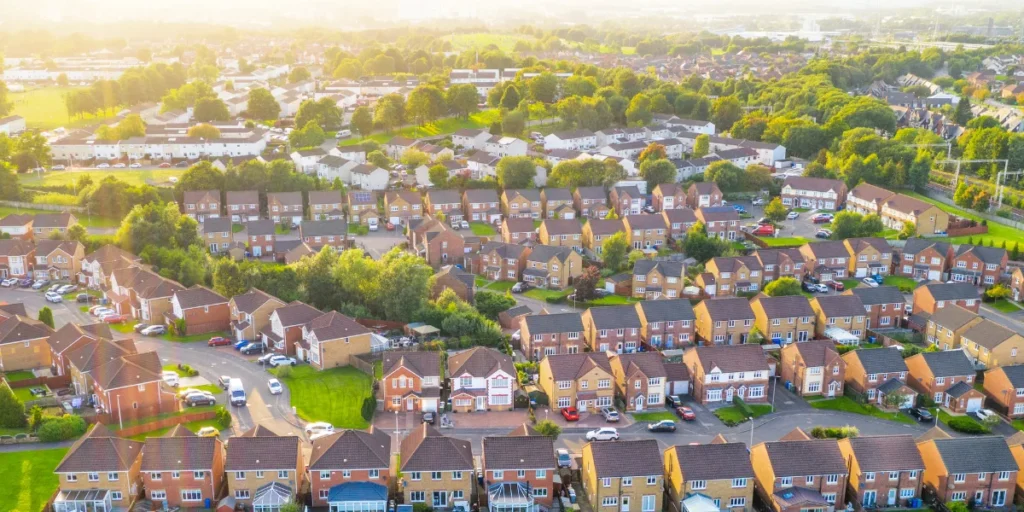
Despite recent improvements in approval numbers, Australia faces a monumental challenge in meeting its national housing targets. The current trajectory of housing construction nationwide indicates significant shortfalls in addressing long-term supply needs.
1.2 Million Homes by 2029 Remains a Challenge
The National Housing Accord initially set an aspirational target of one million new homes over five years, starting from mid-2024, and subsequently revised it upward to 1.2 million. Yet forecasts suggest Australia will fall approximately 260,000 homes short of this target. To reach this goal, Australia must build around 240,000 new dwellings annually, representing a 20% increase over the recent five-year construction windows. The National Housing Supply and Affordability Council warns that worsening conditions across the housing system will occur unless all government promises are fulfilled.
High-Density Housing is Not Scaling Fast Enough
Higher-density developments, which have become increasingly common features of Australian cities, face particular obstacles to rapid expansion. Residents often oppose new high-density housing developments due to concerns about quality, amenity, and neighbourhood impacts. Moreover, Australia has among the least housing stock per person in the developed world and is one of only four countries where housing per person has declined over the past two decades.
Policy Delays and Land Supply Issues Persist
Infrastructure delivery lags represent a pressing challenge, with water, sewer, and road works often delayed well beyond rezoning and development approvals. Consequently, in Sydney, only fourteen per cent of zoned residential land is ‘shovel-ready’. Throughout Australia, planning approval bottlenecks add significant costs, taking over seven months and nearly AUD 30,579.80 to approve a detached house on a greenfield estate in Victoria. Furthermore, government infrastructure projects are outbidding residential developers for labour and materials, making many housing projects unfeasible.
Conclusion – Housing Supply Australia
Australia’s housing market stands at a critical juncture despite the remarkable 25% surge in building approvals. Undoubtedly, the approval of 18,352 new homes in September represents significant progress toward addressing Australia’s housing supply crisis. Nevertheless, this momentum faces substantial headwinds from record-breaking construction costs across multiple states.
The apartment sector has emerged as the primary driver behind this growth, with approvals soaring 81.7% to 5,430 dwellings. Meanwhile, private sector house approvals increased modestly at 4.0%. Regional disparities remain apparent, though. States such as Victoria and New South Wales recorded substantial increases, whereas Queensland experienced concerning declines.
The recent surge in building approvals certainly provides reason for cautious optimism. However, Australia runs the risk of slipping farther behind in its efforts to supply sufficient housing for its expanding population if governmental action and sector adaptation are not sustained. The coming years will prove decisive for determining whether this recent upturn represents a genuine turning point or merely a reprieve in the nation’s ongoing housing supply crisis.
What is the current trend in Australian building approvals?
Building approvals in Australia have seen a significant increase, with a 25% jump reported in September. This surge was primarily driven by apartment approvals, which rose by 81.7%.
How are different states performing in terms of housing approvals and costs?
Performance varies across states. Victoria and New South Wales saw substantial increases in approvals, while Queensland experienced declines. New South Wales, Queensland, and South Australia hit record average build costs, with New South Wales having the highest at AUD 881,725.86.
What challenges does Australia face in meeting its housing supply targets?
Australia is struggling to meet its target of 1.2 million new homes by 2029, with projections suggesting a shortfall of about 260,000 dwellings. Challenges include rising construction costs, planning approval bottlenecks, and delays in infrastructure delivery.