




AI energy demand has prompted tech giants to explore unusual power solutions, with Google unveiling plans to restart a dormant nuclear facility in the US to support its growing AI infrastructure. This unprecedented move highlights the significant power requirements of modern AI systems.
According to the IEA, electricity consumption by data centres will double by 2030. Furthermore, data centres currently consume approximately 415 terawatt hours, representing about 1.5 per cent of global electricity consumption in 2024. Consequently, companies like Google are seeking sustainable, high-capacity energy solutions to meet their expanding AI data centre energy demand.
Google has signed a 25-year agreement to purchase power from the nuclear facility once it restarts in 2029. The plant, which initially shut down in 2020, represents a significant investment in addressing US AI energy demand. While nuclear energy has been a source of controversy, its revival highlights the substantial impact that AI development is having on energy demand across the technology sector.
Google Restarts Iowa Nuclear Plant to Power AI Infrastructure
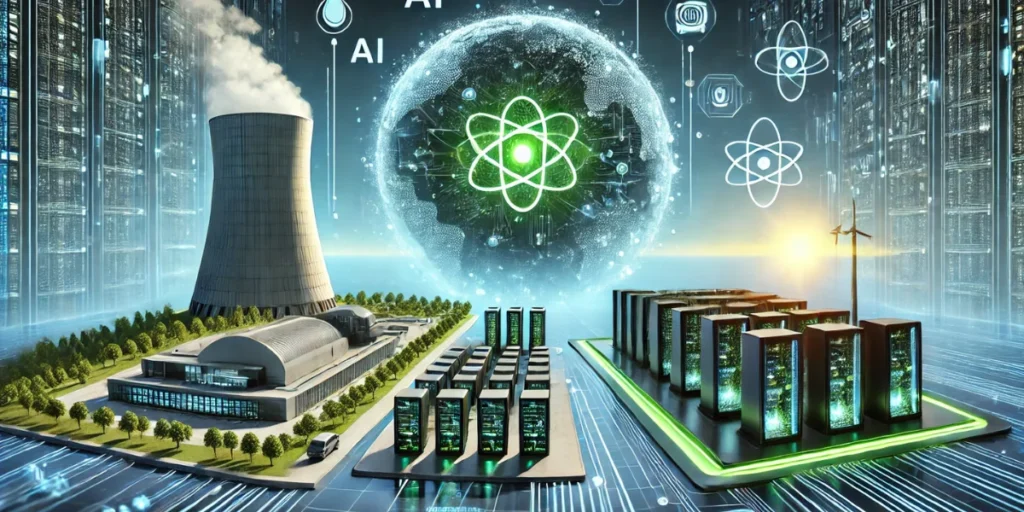
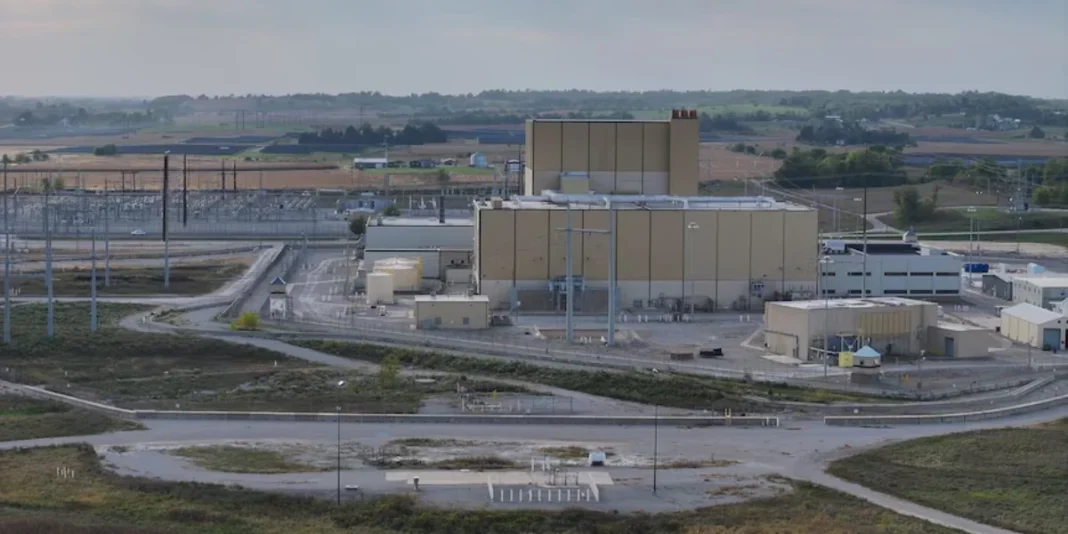
In a landmark partnership, NextEra Energy and Google have signed an agreement to restart the Duane Arnold Energy Centre, Iowa’s only nuclear facility. Located near Cedar Rapids, this 615-MW nuclear plant was shut down in 2020 after operating for 45 years.
The facility is scheduled to resume operations by the first quarter of 2029, pending regulatory approvals. Notably, Google has committed to a 25-year power purchase agreement that will enable the necessary investment for restarting the plant. This arrangement will provide Google with “24/7 carbon-free energy” to power its expanding cloud and AI infrastructure in Iowa.
As part of this collaboration, NextEra Energy has signed definitive agreements to acquire the combined 30% interest held by CIPCO and Corn Belt Power Cooperative, thereby increasing its ownership to 100%. The project is supposed to create around 400 jobs and generate more than AUD 13.76 billion in total economic benefits for Iowa, including AUD 4.59 million annually in new tax revenue.
“Our partnership with Google not only brings nuclear energy back to Iowa — it also accelerates the development of next-generation nuclear technology,” stated John Ketchum, CEO of NextEra Energy. Ruth Porat, president and CIO of Alphabet and Google, added that the project will “deliver nuclear energy and hundreds of new job opportunities in the Hawkeye State”.
The revival of this nuclear plant represents one of the fastest paths to unlock large-scale nuclear power to meet rising AI energy demand in the near term.
Related Article: AI Mode Explained: What Google’s New Search Feature Means for You
Microsoft Revives Three Mile Island in AI Energy Push

Following Google’s nuclear revival efforts, Microsoft has entered a historic 20-year power purchase agreement with Constellation Energy to restart the dormant Three Mile Island Unit 1 reactor in Pennsylvania. The facility, which closed in 2019 due to economic challenges, will be rebranded as the Crane Clean Energy Centre.
Originally scheduled to restart in 2028, the project has been accelerated, with operations now expected to begin in 2027. The refurbished plant will add 835 megawatts of carbon-free electricity to the grid—enough to power 800,000 homes. Microsoft will purchase 100% of this output to match the power used by its data centres in Pennsylvania, Chicago, Virginia, and Ohio.
The economic impact will be substantial, creating approximately 3,400 direct and indirect jobs and contributing AUD 24.46 billion to Pennsylvania’s GDP. Additionally, the project is expected to generate more than AUD 4.59 billion in state and federal taxes.
Importantly, this reactor is entirely separate from Unit 2, which experienced the infamous 1979 partial meltdown. Constellation will invest significantly to restore critical systems, including the turbine, generator, main power transformer, and cooling mechanisms. The company is pursuing a licence renewal that would extend operations until at least 2054.
This revival reflects growing industry recognition of nuclear energy’s value in meeting the intense energy demands of AI data centres. A recent poll showed Pennsylvanians support the restart by a 2-to-1 margin.
AI Energy Demand Drives Nuclear Resurgence in US
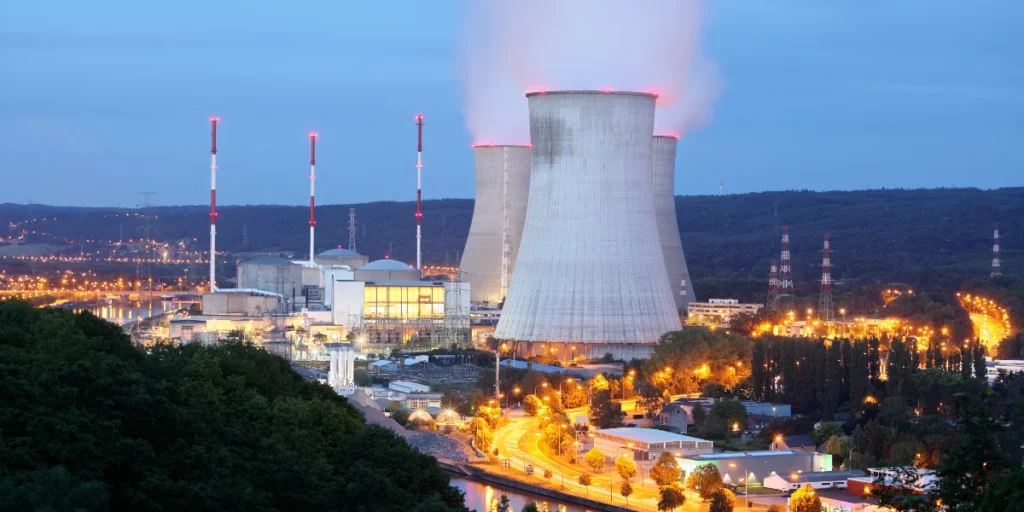
The escalating energy requirements of artificial intelligence systems are fueling a significant revival in US nuclear power development. The International Energy Agency (IEA) projects that by 2030, data centre power consumption will more than double to approximately 945 TWh, equivalent to Japan’s current total electricity consumption.
AI serves as the primary catalyst for this surge, with power demand from AI-optimised data centres projected to more than quadruple within the same timeframe. Furthermore, data centres are predicted to consume more electricity than the manufacturing of steel, cement, aluminium, chemicals, and all other energy-intensive industries combined in the United States, accounting for approximately half of the growth in electricity consumption through 2030.
This unprecedented demand has prompted the US government to establish ambitious targets, aiming to quadruple nuclear capacity to 400 GWe by 2050. Indeed, Goldman Sachs Research forecasts that global data centre power demand will surge by 165% by 2030 compared to 2023 levels.
Overall, nuclear output is expected to rise by 63% by 2050, adding 53 gigawatts of capacity. This expansion will require approximately AUD 535.15 billion in investment. Small modular reactors (SMRs) particularly feature in these plans, with the first commercial deployments anticipated in the late 2020s and early 2030s. Despite regulatory hurdles and steep costs, industry analysts conclude that US nuclear energy is “primed for a resurgence”.
Conclusion – AI Energy Demand
The partnerships between tech giants and energy companies to revive dormant nuclear facilities mark a significant shift in how AI infrastructure will be powered. Google’s 25-year agreement with NextEra Energy and Microsoft’s 20-year contract with Constellation Energy demonstrate the extraordinary lengths these companies are willing to go to secure reliable, carbon-free energy. Undoubtedly, these initiatives respond directly to the projected doubling of data centre electricity consumption by 2030, primarily driven by AI technologies.
Beyond meeting energy needs, these nuclear revival projects offer substantial economic benefits. The Duane Arnold facility is expected to create approximately 400 permanent jobs and generate billions of dollars in economic benefits for Iowa. Similarly, the renamed Crane Clean Energy Centre at Three Mile Island is expected to produce thousands of jobs while contributing significantly to Pennsylvania’s GDP. Therefore, these projects serve dual purposes—addressing the growing energy demands of AI infrastructure while simultaneously bolstering local economies.
The accelerated timelines for both projects reflect the urgency tech companies feel regarding their ai energy demand. Initially scheduled for later dates, both facilities now aim to begin operations earlier than planned. This acceleration highlights the growing importance of reliable power sources for companies that are investing heavily in AI capabilities.
At its core, this trend underscores a fundamental truth about artificial intelligence development: cutting-edge technologies necessitate equally innovative energy solutions. The revival of these nuclear plants signals that the AI revolution brings not only transformative computing capabilities but also profound changes to our energy infrastructure. After all, the future of AI depends as much on solving computational challenges as it does on securing the immense power required to run these systems.
Are Google and Microsoft building nuclear power plants for AI?
Google and Microsoft are not directly building nuclear power plants, but they have entered into agreements to restart and purchase power from existing nuclear facilities. Google has partnered with NextEra Energy to restart the Duane Arnold Energy Centre in Iowa. At the same time, Microsoft has signed an agreement with Constellation Energy to revive the Three Mile Island Unit 1 reactor in Pennsylvania.
Why are tech companies turning to nuclear energy for AI?
To meet the constantly increasing power demands of AI infrastructure, IT companies are exploring nuclear energy. Data centre electricity consumption is projected to more than double by 2030, primarily due to the increasing adoption of AI technologies. AI systems have significant energy requirements, and nuclear power offers a dependable, carbon-free energy source that will meet those needs.
How will these nuclear revival projects impact local economies?
The nuclear revival projects are expected to have significant positive impacts on local economies. For example, it is anticipated that the Duane Arnold factory in Iowa will produce billions of dollars in economic benefits and about 400 permanent jobs. Similarly, the Crane Clean Energy Centre (formerly Three Mile Island Unit 1) in Pennsylvania is expected to create approximately 3,400 direct and indirect jobs, contributing substantially to the state’s GDP.
Is AI being used in nuclear power plant operations?
Yes, AI is increasingly being utilised in nuclear power plant operations. AI-driven simulations can improve reactor designs, predict performance, adjust power output in real-time, and maximise efficiency. These innovations have the potential to lower costs and extend reactor lifespans, making nuclear energy more viable and efficient.