






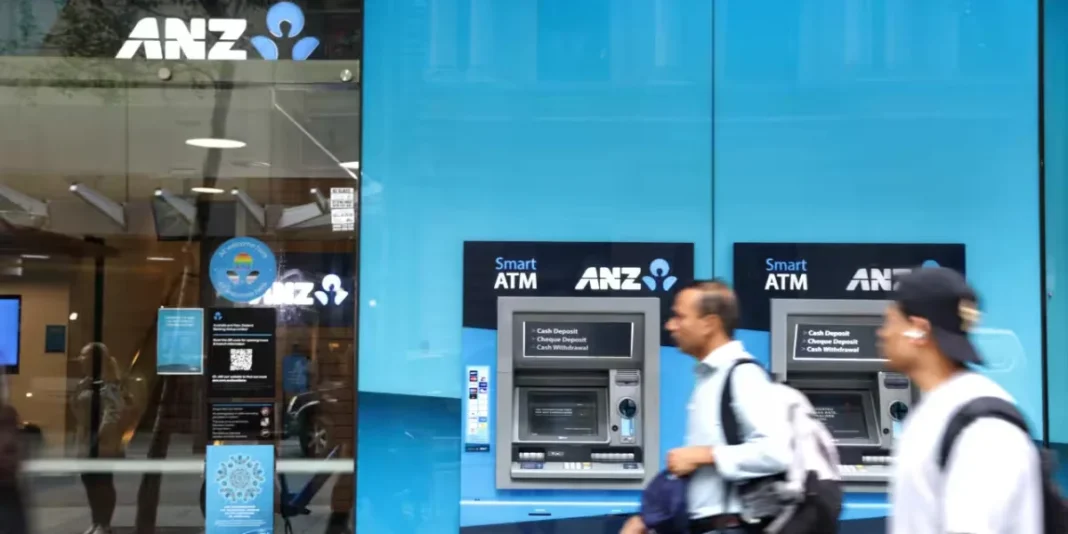

ANZ Banking faces unprecedented scrutiny as the financial institution agrees to pay a record £160 million acceptable for widespread misconduct. According to Australia’s financial regulator ASIC, this penalty represents the largest ever imposed on a single entity by the corporate watchdog. The bank has admitted to engaging in unconscionable conduct when raising money for the federal Government, with misconduct occurring over many years.
Furthermore, the scandal has affected nearly 65,000 customers, highlighting significant failures across ANZ’s operations. The investigation revealed that ANZ failed to respond to 488 customer hardship notices, in some cases for more than two years. Consequently, customers using the ANZ banking app and ANZ internet banking services may soon see changes as the institution works to rebuild trust. Those with an ANZ banking account or needing ANZ banking contact information should stay informed about how these penalties might affect the services they rely on daily.
Related Article: The Rise of Fintech: Your Essential Guide to Smart Banking in 2025
ANZ Fined £160 million For Misconduct
The Australia and New Zealand Banking Group has formally admitted to widespread misconduct across its operations, agreeing to a substantial settlement with Australian regulators. This landmark agreement includes penalties totalling AUD 366.96 million (approximately £160 million), pending approval from the Federal Court.
Bank Admits Misconduct in Bond Trading
In a significant admission, ANZ acknowledged engaging in unconscionable conduct while providing services to the Australian Government. Specifically, the bank incorrectly reported its bond trading data, overstating volumes by tens of billions of dollars over almost two years. Most notably, ANZ’s conduct during a AUD 21.41 billion government bond issuance on April 19, 2023, came under severe criticism. The bank’s trading behaviour in the 45 minutes before the bond was due to formally price pushed bond futures pricing down two basis points, potentially costing the Government about AUD 39.75 million.
“In the bond trading case, ANZ was in a trusted position and its conduct had the potential to reduce the amount of funding available to the government,” stated ASIC Chair Joe Longo. “When public funds are put at risk, every Australian pays the price”.
Record Fines for Rule Breaches
The penalties agreed upon include:
- AUD 191.12 million for institutional and markets matters, including a record AUD 122.32 million penalty specifically for unconscionable conduct
- AUD 175.83 million in total penalties for three retail matters affecting nearly 65,000 customers
ANZ Chair Paul O’Sullivan issued a formal apology, stating: “While we have worked hard to get regulatory certainty on these matters, the reality is we made mistakes that have had a significant impact on customers”. Although ANZ maintains that no loss was caused to the Commonwealth from its trading activities, the bank has offered to pay the Australian Office of Financial Management the revenue it earned as duration manager as a goodwill gesture.
Federal Court Approval is Pending
While the agreement has been reached between ANZ and ASIC, the settlement still requires Federal Court approval before being finalised. Each matter will be separately considered and determined by the Court. The bank has additionally committed to submitting a remediation plan to the Australian Prudential Regulation Authority by the end of the month.
ANZ has already begun implementing changes to its online anz banking systems and expects to spend approximately AUD 229.35 million on implementing reforms by September 30, 2026.
ASIC Reveals Four Major Breaches by ANZ

The ASIC has outlined four distinct breaches in its investigation of ANZ Banking, detailing misconduct across both institutional and retail operations.
Bond Trading Misconduct With Australian Government
ASIC revealed that ANZ acted unconscionably whilst managing an AUD 21.41 billion bond deal for the Australian Government. The bank sold a significant volume of bond futures around the time of pricing, placing downward pressure on bond prices. This trading behaviour pushed bond futures pricing down by two basis points in the 45 minutes before formal pricing, potentially costing the Government approximately AUD 39.75 million. Additionally, overstating its bond trading volumes by tens of billions of dollars over almost two years may have helped ANZ secure additional appointments as lead manager for bond issuance in the future.
ANZ Ignored 488 Hardship Cases
Throughout two years, ANZ failed to respond to 488 customers who submitted financial hardship notices between May 2022 and September 2024. In some instances, the bank took more than two years to address these applications. Personal circumstances reported by customers included unemployment, serious medical issues, bereavement, and family violence. As a result, ANZ proceeded with debt collection activities against some of these customers, even issuing default notices and engaging external debt collection agencies.
Misleading Statements on Savings Interest Rates
The investigation uncovered that ANZ made false and misleading statements about its savings rates. The bank failed to pay promised introductory bonus interest rates to tens of thousands of customers. Nearly 200,000 customers were affected by this failure between July 2013 and January 2024, with another 26,900 customers underpaid interest for similar reasons between August 2024 and March 2025.
Charging Fees to Thousands
Between July 2019 and June 2023, ANZ failed to refund fees charged to thousands of deceased customers. The bank’s systems and processes could not identify which fees should be waived or refunded, nor whether fees charged after a customer’s death had been appropriately handled. This issue likely “compounded the difficulties faced by loved ones dealing with the death of a family member or relative”, as ANZ also failed to respond to representatives of deceased estates within required timeframes.
Regulator Criticises ANZ’s Risk and Compliance Culture

Regulatory officials have launched a scathing critique of ANZ’s operational framework following the discovery of multiple breaches.
ASIC Slams ANZ Over Trust Breaches
ASIC Chair Joe Longo expressed deep concern about ANZ’s persistent regulatory failures, stating that the bank had “repeatedly broken the trust of its customers.” He highlighted how the bank’s conduct affected vulnerable clients, including those experiencing financial hardship and families of deceased customers. “These failures are not minor oversights—they reflect serious systemic issues within ANZ,” Longo emphasised.
Non-Financial Risk Failures Exposed
Investigations revealed that ANZ’s misconduct stemmed primarily from inadequate risk management frameworks. The bank’s internal systems failed to identify or address issues that ultimately affected tens of thousands of customers. Regulators pointed to significant gaps in how ANZ monitored compliance across its retail and institutional operations. Subsequently, the bank acknowledged these shortcomings in its risk governance structure, with executives facing scrutiny over their oversight responsibilities.
Comparison to Past Royal Commission Findings
The current penalties echo concerns first raised during Australia’s Banking Royal Commission. In fact, many of the latest breaches follow patterns identified in that landmark inquiry, which exposed widespread misconduct throughout Australia’s financial sector. Regulators noted that despite promises of reform following the commission, ANZ’s online anz banking systems and compliance protocols remained inadequate, suggesting deeper cultural issues within the institution persisted long after previous warnings.
ANZ Pledges Reforms and Executive Accountability

In response to the scandal, ANZ Banking has unveiled sweeping reforms to address systemic failures across the organisation.
Apology Issued by ANZ Chair Paul O’Sullivan
O’Sullivan has issued an unreserved apology, acknowledging that the bank “let our customers down”. “While we have worked hard to get regulatory certainty on these matters, the reality is we made mistakes that have had a significant impact on customers,” he stated. The chairman emphasised that these failures do not represent what ANZ stands for.
Executives Face Pay Cuts and Internal Reviews
The board has completed over 50 accountability reviews of current and former employees. These reviews have resulted in “significant impacts to variable remuneration for certain individuals”, particularly those involved in the market issues. O’Sullivan confirmed that executives directly linked to the misconduct faced substantial financial consequences.
New CEO Outlines Staff Cuts and Cultural Overhaul
Newly appointed CEO Nuno Matos announced plans to cut approximately 3,500 jobs and 1,000 contractor positions over the next year. Matos described the restructuring as “the biggest restructure and reform of the bank in recent times”. He indicated the bank would shift towards a “performance-driven culture” that is “more decisive”.
Potential Updates to ANZ Internet Banking Systems
ANZ has committed AUD 229.35 million to implement reforms by September 2026. This includes addressing issues with online ANZ banking systems and improving non-financial risk management practices. The bank plans to provide a strategy update to investors on 13 October 2025.
Conclusion – ANZ Banking
The record £160 million fine imposed on ANZ Bank undoubtedly marks a watershed moment for Australian financial regulation. Most significantly, this case demonstrates how widespread misconduct can permeate both institutional and retail banking operations when proper oversight mechanisms fail. The four major breaches identified by ASIC highlight systemic failures that affected tens of thousands of vulnerable customers, from those experiencing financial hardship to families of deceased clients.
ANZ’s admission of unconscionable conduct, particularly regarding government bond trading that potentially cost Australian taxpayers millions, reveals the extent of the bank’s operational shortcomings. Equally concerning, the failure to respond to hundreds of hardship notices and misleading statements about savings rates point to deeper issues within the organisation’s risk management framework.
Regulatory action of this magnitude serves as a stark warning to other financial institutions. Indeed, banks across Australia and beyond will scrutinise their own compliance systems, lest they face similar penalties. The scandal also raises questions about the effectiveness of reforms implemented after the Banking Royal Commission, given that many of these breaches occurred years after that landmark inquiry.
ANZ now faces the difficult task of rebuilding trust while implementing substantial reforms. The commitment of AUD 229.35 million towards systemic improvements signals recognition of the depth of change required. Nevertheless, customers might remain sceptical until tangible improvements materialise across ANZ’s banking services.
Though executives have faced accountability through remuneration impacts, the newly appointed CEO’s plans to cut thousands of jobs raise questions about whether structural changes will address the cultural issues at the heart of these failures. Financial penalties, regardless of their size, ultimately achieve little unless accompanied by meaningful cultural transformation.
The Federal Court’s pending approval of this settlement will determine the final shape of ANZ’s punishment and remediation efforts. Meanwhile, ANZ customers should stay vigilant about changes to their accounts and services as the bank implements its reform agenda. Banking regulators worldwide will likely study this case as they consider how best to prevent similar misconduct in their own jurisdictions.
What is the total fine imposed on ANZ Bank?
ANZ Bank has agreed to pay a record fine of £160 million (approximately AUD 366.96 million) for widespread misconduct across its operations.
What were the main breaches committed by ANZ Bank?
The main breaches included unconscionable conduct in bond trading with the Australian Government, failure to respond to customer hardship notices, misleading statements about savings interest rates, and charging fees to deceased customers’ accounts.
How many customers were affected by ANZ Bank’s misconduct?
Nearly 65,000 customers were affected by ANZ Bank’s misconduct across various issues, including hardship notice failures and incorrect interest payments.
What actions is ANZ Bank taking to address these issues?
ANZ Bank has pledged to implement reforms, including spending AUD 229.35 million on improvements by September 2026. The bank is also conducting internal reviews, cutting executive pay, and planning significant staff reductions as part of a cultural overhaul.
Will ANZ Bank’s online banking services be affected by these changes?
While specific details haven’t been provided, ANZ Bank is expected to make changes to its online banking systems as part of its broader reform efforts. Customers should stay informed about potential updates to the ANZ banking app and internet banking services.